 Zhengzhou Rongjing Machinery Equipment Co., Ltd.
Zhengzhou Rongjing Machinery Equipment Co., Ltd.
Zhengzhou Rongjing Machinery Equipment Co., Ltd.
Zhengzhou Rongjing Machinery Equipment Co., Ltd.
Zhengzhou Rongjing Machinery Equipment Co., Ltd.
1. technical analysis: the core architecture and performance advantages of the electric control hoist
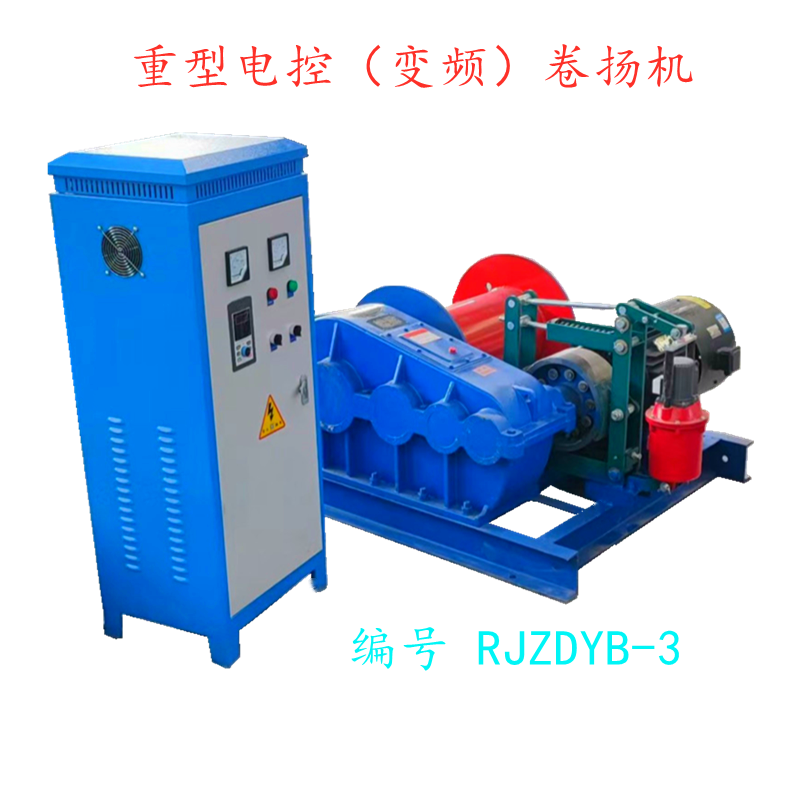
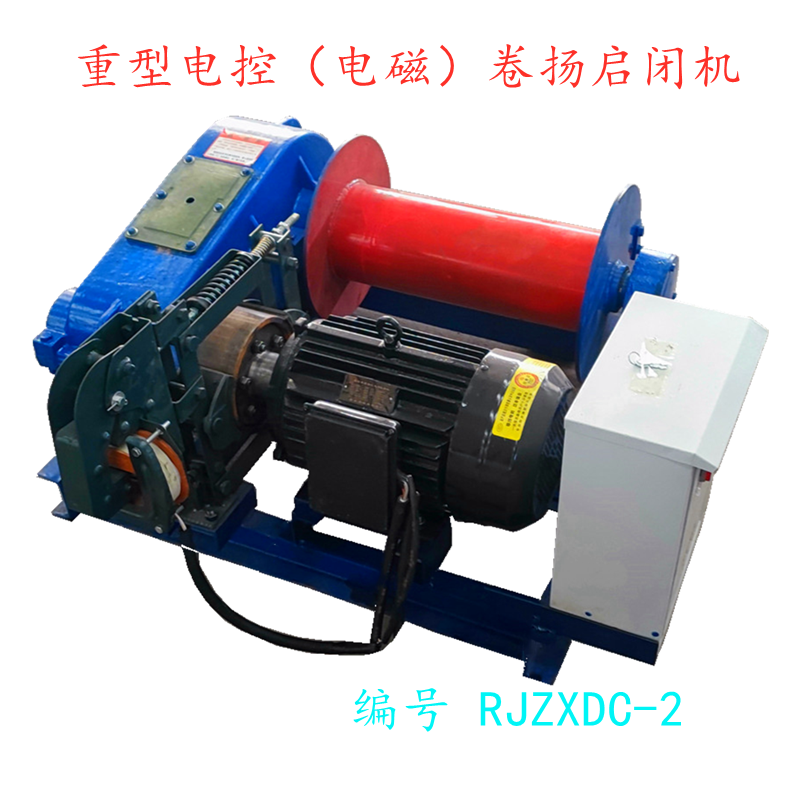
As one of the core products of Zhengzhou Rongjing Machinery Equipment Co., Ltd., the technical structure of the electric hoist is modular design, covering four modules: motor drive system, planetary reducer, electromagnetic brake device and intelligent control system. The motor adopts a three-phase asynchronous motor with a power range of 3kW to 75kW, which is suitable for the pulling force requirements under different working conditions (pulling force range of 500kg to 50 tons), and the adjustable speed range is 5-30 m/min, which meets the flexible switching between low-speed large torque and high-speed small load. Planetary reducer adopts high-precision gear transmission, transmission efficiency of more than 95%, with double electromagnetic brake (braking torque ≥ 1.5 times the rated load), to ensure that the braking response time ≤ 0.2 seconds, significantly improve the safety factor.
2. Operation Steps: Guide for Installation and Commissioning of Electronically Controlled winch
STEP1: Basic installation. The fixed or mobile installation mode shall be selected according to the working conditions. The fixed concrete foundation shall be poured (bearing capacity ≥ 3 times of the equipment weight), and the mobile type shall be equipped with anti-skid legs and horizontal adjustment device. STEP2: Electrical connection. IP55 protection grade junction box shall be adopted, the specification of power cord shall match the motor power (for example, 16mm ² copper core cable shall be selected for 30kW motor), and the grounding resistance shall be ≤ 4Ω. STEP3: Parameter debugging. Set the acceleration time (2-5 seconds recommended), deceleration time (1-3 seconds) and overload protection threshold (110% of rated load) through the PLC control panel, and conduct no-load trial operation (≥ 30 minutes) to monitor the motor temperature rise (≤ 80 ℃) and brake noise (≤ 65dB).
3. Case Dismantling: Application of Electronically Controlled winches in Mining Scenarios
A large mining enterprise uses Zhengzhou Rongjing 10-ton electronically controlled hoist for shaft lifting operation. The working conditions are as follows: well depth 200 meters, lifting frequency 15 times per hour, load fluctuation range 8-10 tons. For this scenario, the company has customized a dual-motor drive scheme (2 × 7.5kW), equipped with a dual-rope groove drum (wire rope diameter 22mm) and a dual braking system to achieve soft start/soft stop through the frequency converter to reduce mechanical impact. After the project landed, the operation stability of the equipment was significantly improved, the failure rate was reduced by 60%, the energy consumption was reduced by 25% compared with the traditional model, and the daily lifting capacity was increased from 120 tons to 180 tons, meeting the high-yield demand of the mine.
4. technical parameters and adaptation scenarios
Zhengzhou Rongjing electronically controlled winch provides a full range of specifications: pulling force 500kg-50 tons, speed 5-30 m/min, power 3-75kW, suitable for construction (tower crane assistance), material hoisting (warehouse loading and unloading), mining (shaft hoisting), water conservancy project (gate opening and closing), ship dock (cargo loading and unloading) and other scenes. The product has passed CE certification and conforms to GB/T 1955-2019 "Building Winch" standard. The warranty period of key components (such as reducer and brake) is extended to 3 years, and 24-hour after-sales response service is provided.
5. FAQ: Frequently Asked Questions about Electric Control winch
Q1: Can the electric hoist be used in a humid environment? A: The equipment adopts IP55 protection level, which can adapt to the working condition of humidity ≤ 90%, but it is necessary to check the tightness of electrical components regularly. Q2: How to select motor power? A: Calculated according to load weight (T) and lifting speed (v,m/min): power (kW)=(T×v)/(60 ×η),η is transmission efficiency (0.8-0.85 is recommended). Q3: How to deal with brake failure? A: Stop the machine immediately and check the brake clearance (standard value 1.5-2mm) and voltage (DC24V ± 10%). If the problem is not solved, replace the brake coil.