 Zhengzhou Rongjing Machinery Equipment Co., Ltd.
Zhengzhou Rongjing Machinery Equipment Co., Ltd.
Zhengzhou Rongjing Machinery Equipment Co., Ltd.
Zhengzhou Rongjing Machinery Equipment Co., Ltd.
Zhengzhou Rongjing Machinery Equipment Co., Ltd.
1. Technical Principles and Core Advantages of Electrically Controlled Winches
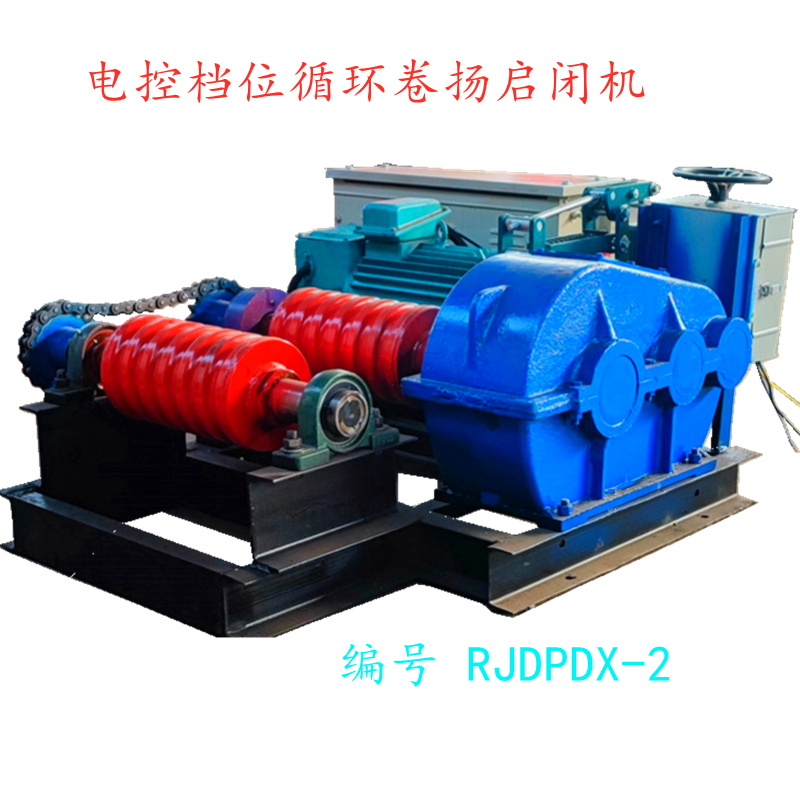
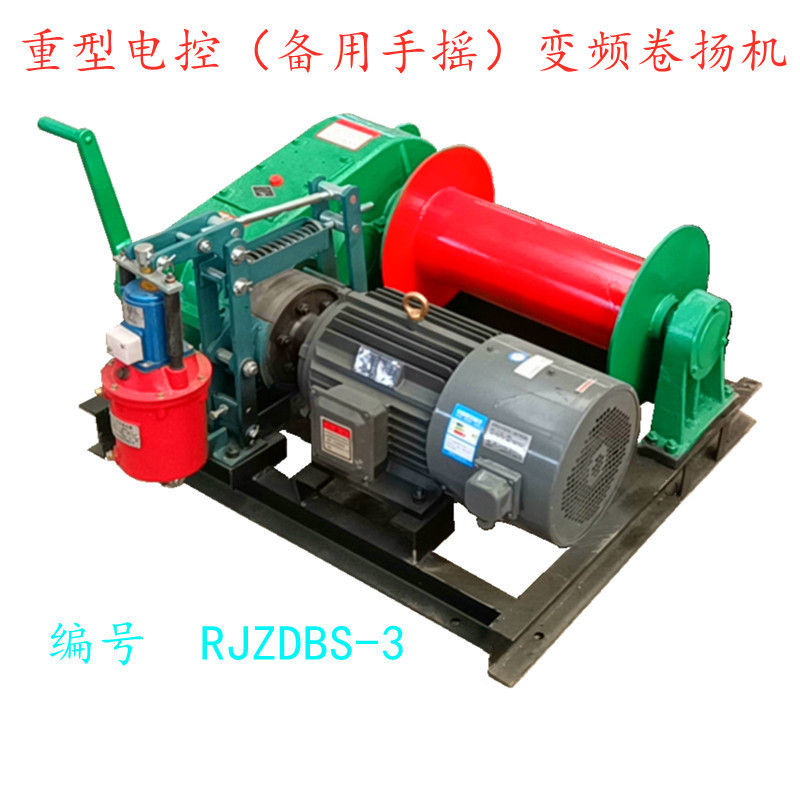
The electrically controlled winch lifts materials by driving a motor, transmitting power through a reducer, and winding or unwinding the steel wire rope onto the drum. At its core, the system relies on the electrical control unit to precisely regulate the motor’s speed, direction, and braking force. The electric winches manufactured by Zhengzhou Rongjing Mechanical Equipment Co., Ltd. utilize variable-frequency drive technology, enabling stepless speed control from 0 to 1,500 rpm to meet diverse operating conditions. They are equipped with a dual-braking system—electromagnetic braking and mechanical braking—with a braking distance of no more than 0.5 meters and a safety factor of 1.5 times the rated load. The motor power ranges from 5.5kW to 75 kW, delivering a pulling force of 1 ton to 50 tons, thereby meeting the diverse requirements of construction, mining, and other applications.
2. Technical Parameters and Adapted Scenario Analysis
Zhengzhou Rongjing Electric Control Winches offer a full range of specifications: standard models support lifting speeds from 10 m/min to 60 m/min, while custom-designed models can be extended up to 100 m/min. The enclosures meet IP55 protection rating and are suitable for ambient temperatures ranging from -20°C to +50°C. In building construction, its lightweight design (total machine weight ≤ 2.8 t) facilitates tower crane installation. In mining applications, it is equipped with explosion-proof motors and wear-resistant drums to withstand harsh operating conditions such as dust and high humidity. Taking a certain water conservancy project as an example, the customer selected three 10-ton electrically controlled winches and implemented distributed control to enable coordinated operation among multiple units, resulting in a 40% increase in efficiency and a 25% reduction in energy consumption.
3. Practical Operation Steps and Troubleshooting Guide
STEP1: Pre-installation inspection. Confirm that the foundation bolt tightening torque is ≥300 N·m, the power supply voltage fluctuation is ≤±5%, and the wire rope is free of broken wires and rust. STEP2: No-load test run. After startup, monitor the motor temperature rise to ensure it does not exceed 65°C, and verify that the brake response time is ≤0.3 s. STEP3: Load debugging. Gradually apply the load up to the rated capacity, and check that the drum runout is ≤1mm and the noise level is ≤85 dB. Common Troubleshooting: If the motor fails to start, first check the contactor contacts and the control circuit. If the brake fails, adjust the brake spring preload to the design value of 120–180 N.
4. Enterprise Technology Deployment and Customized Services
Relying on a 20-person R&D team, Zhengzhou Rongjing has established a full-process service system that covers everything from requirements analysis to delivery. In response to a “narrow-space installation” requirement from a marine terminal customer, the team optimized the drum diameter (reducing it from Φ800mm to Φ600 mm) and the motor layout, thereby decreasing the equipment’s footprint by 30% while maintaining a 15-ton pulling force. In addition, the company has developed component life models and, through FEA simulation analysis, has extended the service life of critical components to over 100,000 cycles, thereby reducing customer maintenance costs.
5. Review of Technical Effects and Industry Application Experience
In a certain mining operation, the customer reported that the conventional hoist was experiencing “braking delay, resulting in material slippage.” Zhengzhou Rongjing has upgraded its electrical control system (using PLC and HMI) to reduce the braking response time to 0.2 seconds and added an overload protection function: the machine will automatically shut down when the load exceeds 110% of its rated capacity. Project acceptance data show that the equipment failure rate has decreased from 0.8 times per month to 0.1 times per month, resulting in annual maintenance cost savings of over RMB 120,000. Currently, this technology has been deployed in more than 30 mining projects, with a customer satisfaction rate of 98%.
FAQPage structured questions and answers
Q1: How do you choose between an electric winch and a hydraulic winch?
A: Electric winches excel in high speed-regulation accuracy (±1%) and simple maintenance (with no risk of hydraulic-oil leakage), making them well suited for applications requiring frequent starts and stops. Hydraulic winches, on the other hand, are more appropriate for heavy-lift, low-speed operations involving loads of 100 tons or greater; however, they consume significantly more energy—approximately 30% more.
Q2: How long is the lead time for customized services?
A: The standard model has a lead time of 15 days. Customized models require assessment based on technical complexity, typically ranging from 30 to 45 days. For example, when a customer requested the addition of wireless remote-control functionality, the project was completed from proposal approval to delivery in just 28 days.
Q3: How is the equipment’s lifespan ensured?
A: Zhengzhou Rongjing employs a “full lifecycle management” model: key components such as reducers and brakes are covered by a three-year warranty, while the entire machine receives two years of free maintenance; the company conducts regular customer follow-ups to provide preventive maintenance services, including lubricant replacement and gear wear inspections.