 Zhengzhou Rongjing Machinery Equipment Co., Ltd.
Zhengzhou Rongjing Machinery Equipment Co., Ltd.
Zhengzhou Rongjing Machinery Equipment Co., Ltd.
Zhengzhou Rongjing Machinery Equipment Co., Ltd.
Zhengzhou Rongjing Machinery Equipment Co., Ltd.
Technical Background and Industry Pain Points
In heavy industrial scenarios such as construction, mining, and water conservancy projects, winches serve as core lifting equipment, requiring high load capacity, high frequency, and complex operating conditions. Traditional winches often suffer from low utilization rates and high maintenance costs due to their single structure, fixed control methods, and poor adaptability. With years of technical accumulation, Zhengzhou Rongjing Machinery and Equipment Co., Ltd. has launched a full range of electric winches, achieving a technical breakthrough of "multi-functional, precise adaptation" through modular design, intelligent control systems, and high-precision processing technology.
Technical Analysis: Core Architecture and Advantages of Electric Hoist
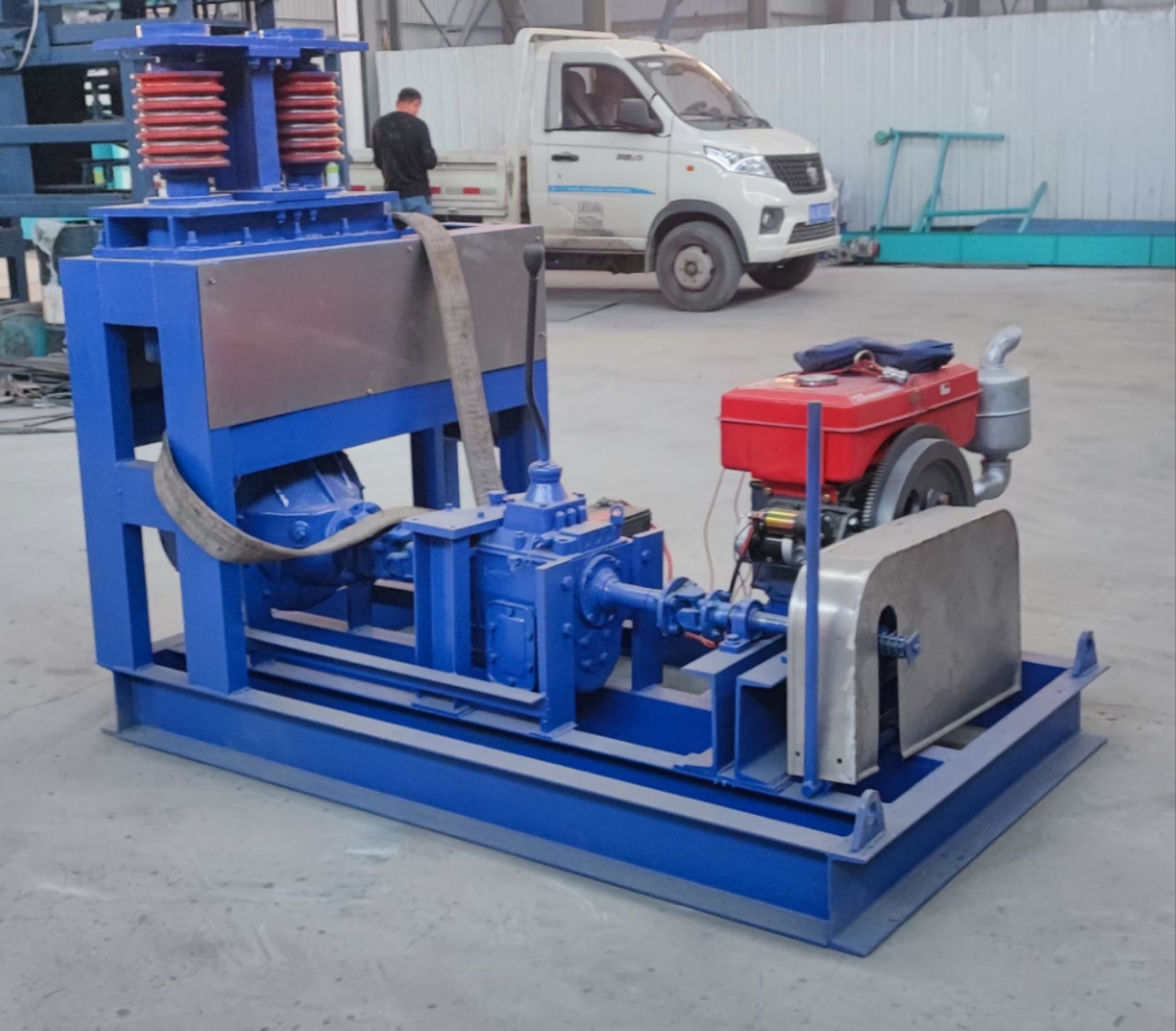
Zhengzhou Rongjing Electric Hoist adopts a "motor + reducer + brake + electric control system" integrated architecture, supporting variable frequency speed regulation and PLC intelligent control. Its core advantages are reflected in three aspects:
1. Full-scenario adaptabilityThe product covers a traction range of 0.5T-100T, with a speed adjustable between 0.5-30m/min, supporting various installation forms such as vertical, horizontal, and external-mounted. For instance, in the mining operation scenario, the explosion-proof electric winch with an IP55 protection rating and dual braking system can adapt to extreme environments from -30℃ to 50℃, meeting the safety requirements for underground operations.
2. High-precision control technologyEquipped with the independently developed Rongjing RC-2000 electric control system, it supports remote monitoring and fault diagnosis, with braking response time ≤0.2 seconds and positioning accuracy of ±5mm. In a water conservancy project, its electric winch, through multi-machine collaborative control, achieves simultaneous lifting of 10 devices with error control within 1%.
3. Modular Customized ServiceFor special working conditions of customers, customizable modules such as non-standard reels, special rope grooves, and dual drive systems are available. For example, a double reel electric winch designed for a shipyard project, by independently controlling two rope systems, achieves inclined cargo hoisting, solving the problem that traditional equipment cannot adapt to asymmetric loads.
Practical Case: Customized Solution for a Mining Company
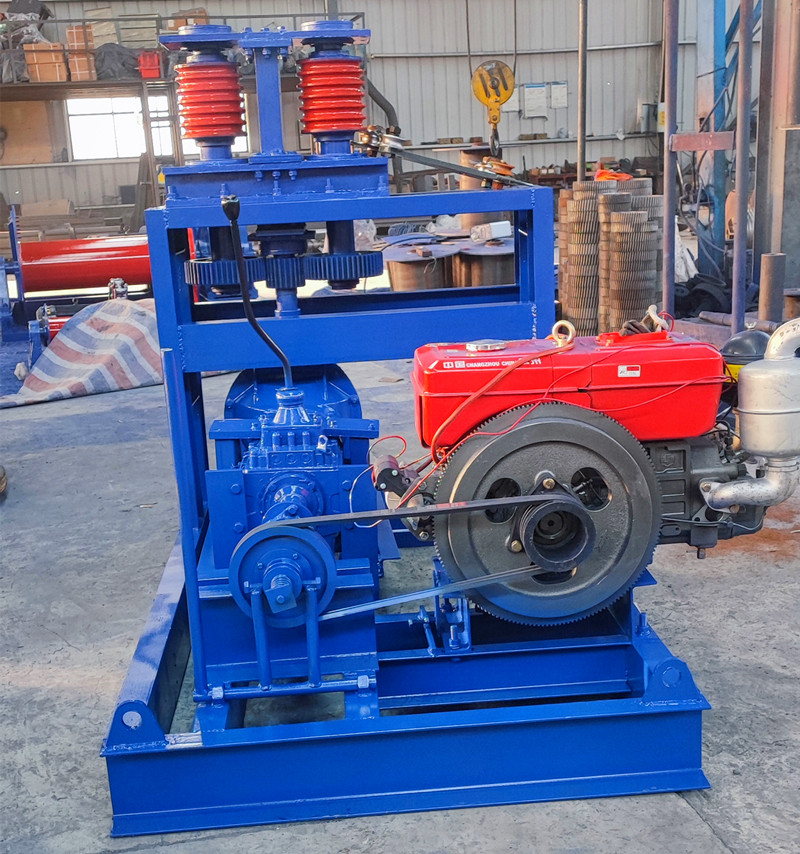
A large-scale mining company needs to hoist 15 tons of ore at a depth of 300 meters underground. Traditional winches frequently fail due to long braking distances and insufficient cooling. The Zhengzhou Rongjing technical team provides a solution through the following steps:
STEP 1: Condition AnalysisOn-site measurement of tunnel width (2.8m), temperature (45℃), and humidity (85%), determines the need for a compact structure and forced air cooling system.
STEP 2: Parameter CustomizationSelect YSE132-4 motor (power 18.5kW) with ZQ650 reducer (reduction ratio 40.17), achieving a hoisting speed of 5m/min and a safety factor of 1.2 times.
Step 3: System OptimizationIncreased with dual brake systems (hydraulic pushrod + electromagnetic brake), shortening the braking distance to 0.8 meters; equipped with wear-resistant rope groove design, extending the wire rope service life to 12 months.
After the project was implemented, the equipment operated continuously for 18 months without any failure, with energy consumption reduced by 22% compared to the original equipment, receiving high praise from the customer for its "strong technical adaptability and quick service response."
FAQ: Technical Challenges of Electric Winch Analysis
Q1: What is the core difference between an electric winch and a mechanical winch?
A: Electric winches are driven by motors and equipped with electronic control systems for speed regulation, braking control, and remote monitoring, whereas mechanical winches rely on manual operation or fixed mechanical structures, resulting in lower flexibility and safety. For instance, Zhengzhou Rongjing electric winches support stepless speed adjustment from 0 to 100%, capable of adapting to dynamic load changes.
Q2: How to select the suitable winch model for the working conditions?
A: Consider the tensile requirements (tonnage), operational frequency (daily working hours), environmental conditions (temperature/humidity/corrosiveness), and installation space. For instance, in high-frequency operation scenarios, it is recommended to choose models with IP55 protection grade and forced lubrication systems to extend the service life of the equipment.
Q3: What is the process and timeline for customized services?
A: The process includes requirement communication → solution design → prototype testing → production delivery, with a cycle typically ranging from 15 to 45 days. Zhengzhou Rongjing offers a "72-hour response" service to ensure that clients' urgent needs are addressed quickly.
Conclusion
Zhengzhou Rongjing Electric Hoist has provided an efficient and safe lifting solution for the heavy industry sector through technological innovation in architecture, full-scenario adaptability, and customized services. Its products are centered around the core values of "modular design, high-precision control, and long-life operation," having served over 500 global enterprises and setting a benchmark case for technological upgrading in the lifting equipment industry.