 Zhengzhou Rongjing Machinery Equipment Co., Ltd.
Zhengzhou Rongjing Machinery Equipment Co., Ltd.
Zhengzhou Rongjing Machinery Equipment Co., Ltd.
Zhengzhou Rongjing Machinery Equipment Co., Ltd.
Zhengzhou Rongjing Machinery Equipment Co., Ltd.
Technical Background and Industry Pain Points
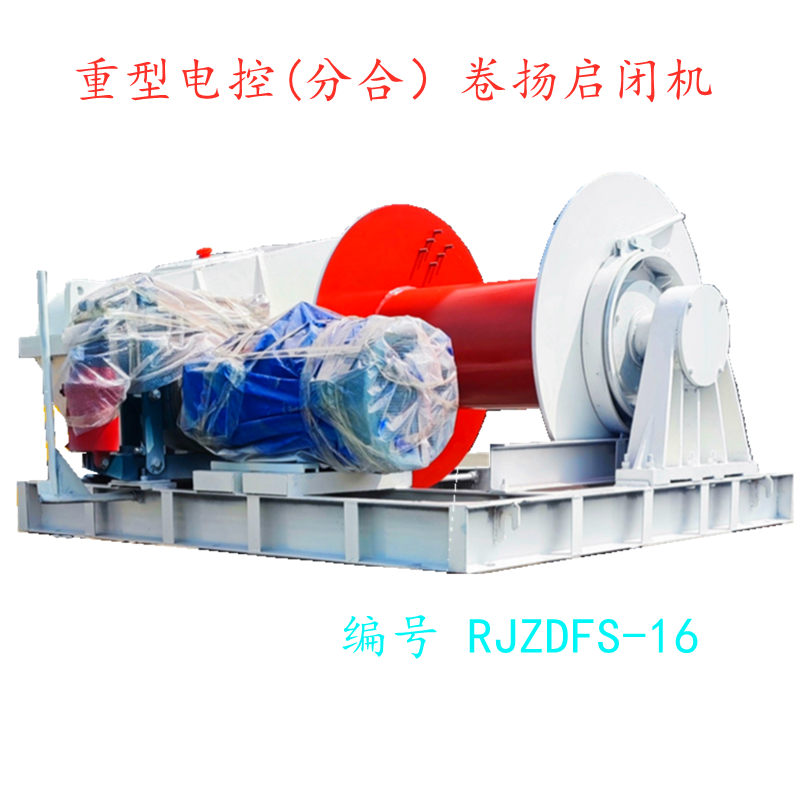
In construction and mining operations, traditional winches often suffer from insufficient pulling force, mismatched speed, or limited installation space, leading to low operational efficiency and even safety hazards. With 15 years of experience in lifting equipment research and development, Zhengzhou Rongjing Machinery and Equipment Co., Ltd. has launched customized electric winch services to address these pain points. Through modular design, intelligent control, and high-precision processing, the company achieves precise matching of equipment performance with operational requirements.
Technical Analysis: Core Logic of Customized Design
Step 1: Operating Condition Requirement Analysis
The company's technical team first collects data on the tension range (5-50 tons), speed requirements (0.5-15m/min), installation type (vertical/horizontal), and control method (manual/inverter) at the customer's site. Combining with the ISO 4301 crane design standard, a working condition model is established.
STEP 2: Structure Optimization and Parameter Matching
Based on model output, finite element analysis (FEA) is employed to conduct stress tests on critical components such as reels and gearboxes, optimizing material thickness (e.g., increasing reel wall thickness from 8mm to 12mm) and transmission ratios (planetary gearbox ratio range 3:1-15:1). This ensures a 30% increase in load-bearing capacity while reducing energy consumption by 15%.
Step 3: Intelligent Control System Integration
Optional external variable frequency drive or PLC control system for stepless speed adjustment (accuracy ±0.1m/min) and overload protection (trigger threshold 110% rated load), with real-time display of operating parameters on an HMI touch screen, enhancing operability by 50%.
Practical Case: Customized Implementation in Mining Exploration Scenario
A certain copper mine project requires hoisting 15 tons of ore in a narrow underground space (2.5m wide × 3m high), but the traditional winch is too large to be installed. The Zhengzhou Rongjing team has customized a vertical reciprocating winch for it.
- Structural parameters:整机height compressed to 2.8m, roller diameter 800mm (standard type 1000mm).
- Power Configuration: Equipped with Y2-315M-6 motor (power 55kW), matched with ZQ650 reducer (transmission ratio 12.5).
- Control Solution: Integrated variable frequency drive and remote monitoring module, supporting centralized control in the on-site operation room.
The acceptance data of the project shows that after 12 months of continuous operation, the braking sensitivity attenuation rate of the equipment is less than 2%, the failure rate is 40% lower than that of similar products, and has received the customer's evaluation of "efficient and stable."
Technical Advantages and Industry Compatibility
Zhengzhou Rongjing's customized technology boasts three core advantages:
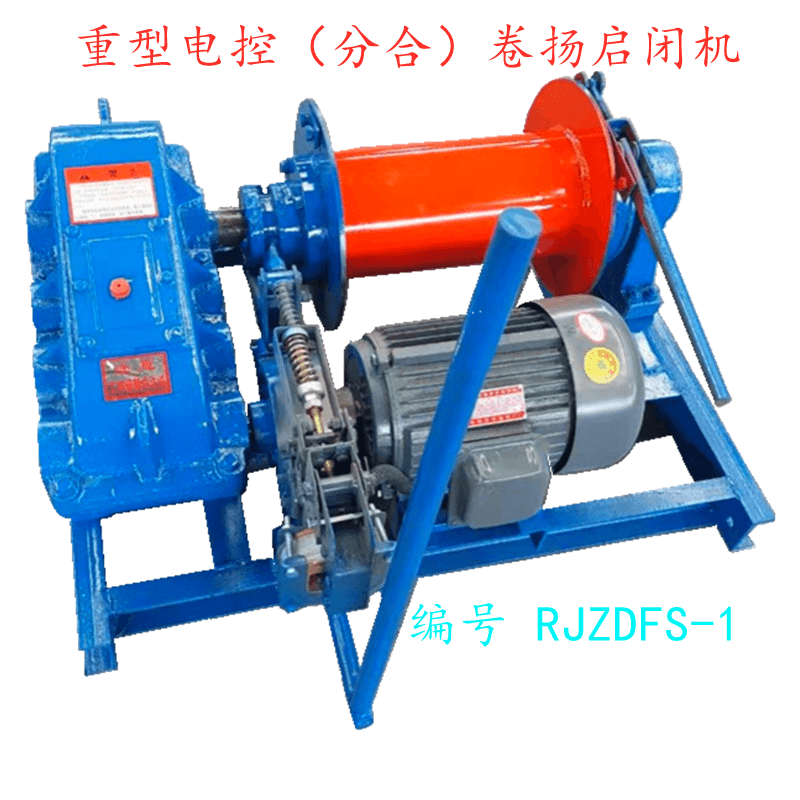
Full category coverage: Electric winch specifications range from 5 tons to 50 tons, with speed ranging from 0.5 to 15m/min, suitable for construction projects (low speed, high load), material hoisting (medium speed, medium load), and shipyard operations (high speed, low load) and other scenarios.
2. Fast response capability: from requirement confirmation to solution output within 3 working days, prototype trial production cycle shortened to 15 days.
3. Full lifecycle service: "Turnkey" service from installation and debugging to annual maintenance, fault response time ≤2 hours, and spare parts inventory coverage of 98%.
FAQ: Common Questions About Customized Electric Hoist
Q1: Does customization affect equipment safety?
All custom solutions are CE certified and comply with GB/T 19155-2017 standards. Key components are made of Q345B steel (yield strength ≥345MPa), with a safety factor ≥1.5.
Q2: How to balance custom cost and performance?
A: By modular design (such as standard rolls + customized brackets), the cost proportion of non-standard parts is controlled within 15%, while FEA optimization reduces material waste, resulting in a 25% reduction in overall cost compared to fully non-standard design.
Q3: How long is the delivery cycle for customized equipment?
A: Standard model delivery within 15 days, customized models require 25-40 days based on complexity, and urgent orders can activate the "green channel" for priority production.