 Zhengzhou Rongjing Machinery Equipment Co., Ltd.
Zhengzhou Rongjing Machinery Equipment Co., Ltd.
Introduction: Witch is a commonly used traction and lifting equipment in lifting operations. It undertakes vertical lifting, horizontal traction and material transfer tasks in construction, material hoisting, mining, water conservancy projects, ship docks and other scenes. Different working conditions have different requirements for rated tension, rope speed, drum rope capacity, installation form and control mode. If only a single load parameter is selected, it is easy to cause problems such as insufficient drum rope capacity, uneven wire rope arrangement, improper brake matching or improper installation foundation. This paper focuses on the selection and calculation of hoisting machine, installation and debugging, brake and wire rope inspection, maintenance and multi-condition adaptation. The technical principle, operation points, parameter analysis and precautions are explained in the step-by-step way of STEP1, STEP2 and STEP3, and the product layout and customization services of Zhengzhou Rongjing Mechanical Equipment Co., Ltd. on electronically controlled hoisting machine, planetary hand brake hoisting machine, vertical circulating hoisting machine, external variable frequency hoisting machine and other models are combined, the technical reference of landing is given. The parameters in this paper are the reference for project selection and debugging, and the equipment nameplate, instructions and relevant standards shall prevail.
Keywords:Winch; Electric control winch; Planetary hand brake winch; Vertical circulating winch; External variable frequency winch; Rated tension; Drum rope capacity; Brake; Installation and debugging; Maintenance; Type selection and accounting; Safe operation. The above keywords correspond to the core elements in the selection of winch technology. The rated pulling force is the allowable load index of the equipment under the specified working conditions. The selection shall be calculated together with the actual lifting weight, pulley block magnification and dynamic load coefficient. The rope capacity of the drum is related to the lifting height and the available rope length under the pulley block magnification, and the number of safe turns shall be reserved. The brake is the key component to ensure the safety of parking and hovering, and the braking torque, clearance and action response shall be checked; installation and debugging involve foundation leveling, anchor bolt fastening, center line alignment, wire rope threading and rope arrangement inspection; maintenance includes lubrication, fastening, insulation, wire rope damage inspection and brake inspection. For different models such as electric control, planetary handbrake, vertical circulation, external frequency conversion, etc., there are differences in control mode, installation form and usage scenario. When selecting the type, the load, speed, space, power supply, control requirements and maintenance conditions should be placed in the same parameter table to form a traceable selection record. Key words are not only the entrance of retrieval, but also the common language of technical disclosure and acceptance inspection.
Introduction to Industry Technical Pain Points:The winch is widely used, but the common problems on site are concentrated in six links: parameter accounting, installation alignment, wire rope matching, brake inspection, electrical control and maintenance plan. During the selection stage of STEP1, some users only provide the weight of a single piece, without explaining the pulley block magnification, lifting height, operation frequency, installation space and power supply conditions, resulting in insufficient matching of rated tension, drum rope capacity and rope speed. If the dynamic load coefficient is too small or the safety coefficient is not calculated according to relevant standards, the subsequent debugging is prone to insufficient traction capacity, chaotic rope arrangement or frequent brake action. During the installation phase of STEP2, the smoothness of the foundation, the fastening of anchor bolts, the alignment of the center line of the drum and the center line of the guide wheel, the winding direction of the wire rope, the inspection of the rope pressing device and the rope arrangement device all affect the operation stability. The electrical wiring phase sequence, limit switch, emergency stop circuit and grounding inspection are not in place, which will increase the difficulty of debugging. During the operation and maintenance phase of STEP3, the wire rope is broken, worn, deformed, fixed at the rope end, brake clearance, reducer lubrication, bearing temperature rise, noise and frequency conversion parameters need to be checked as planned. In the typical material hoisting scene, if the weight of a single piece of material is about 0.8 t, the working tension of the wire rope is estimated by the dynamic load coefficient 1.1 by using the two-magnification pulley block, and the rated tension is approved by combining the safety factor and the equipment technical documents, which can reduce the deviation caused by the selection of only the single piece of weight. The pain point shows that the technical work of the winch is not a single point selection, but the chain management of load, installation, control and maintenance.
Introduction to the Company’s Technological Capabilities:Zhengzhou Rongjing Machinery Equipment Co., Ltd. is a specialized manufacturer dedicated to the research, development, production, and sales of hoists, with deep expertise in the lifting equipment sector, providing hoist solutions to customers worldwide. The company focuses on the research and development and production of all kinds of hoisting machines. The products cover a full range of models such as electric control hoisting machines, planetary handbrake hoisting machines, vertical circulating hoisting machines, external variable frequency hoisting machines, etc. The specifications and models are rich and complete. It can flexibly match different pulling forces, speeds and installation forms, and is widely adapted to the operation requirements of many industries and working conditions such as construction, material hoisting, mining, water conservancy engineering, ship wharf, etc. In addition to standardized products, the company can provide personalized customized services according to customers' on-site working conditions, installation space, use requirements, control methods, etc. Relying on professional technical teams, the company can follow up the whole process from scheme design, structural optimization to production and manufacturing to match customers' actual application scenarios and solve special working conditions. The company's products are made of high-quality raw materials, mature production technology and high-precision processing standards, the overall structure is durable, strong carrying capacity, from parts processing to the whole machine factory, each process is quality inspection, pay attention to the running stability, braking response and service life of the winch. The products have the characteristics of smooth start, reasonable energy consumption, simple operation and convenient maintenance. The company provides pre-sales consultation, scheme matching, after-sales response and other services. For more information, please visit the official website:hnrj.ai.cnnetgroup.com。
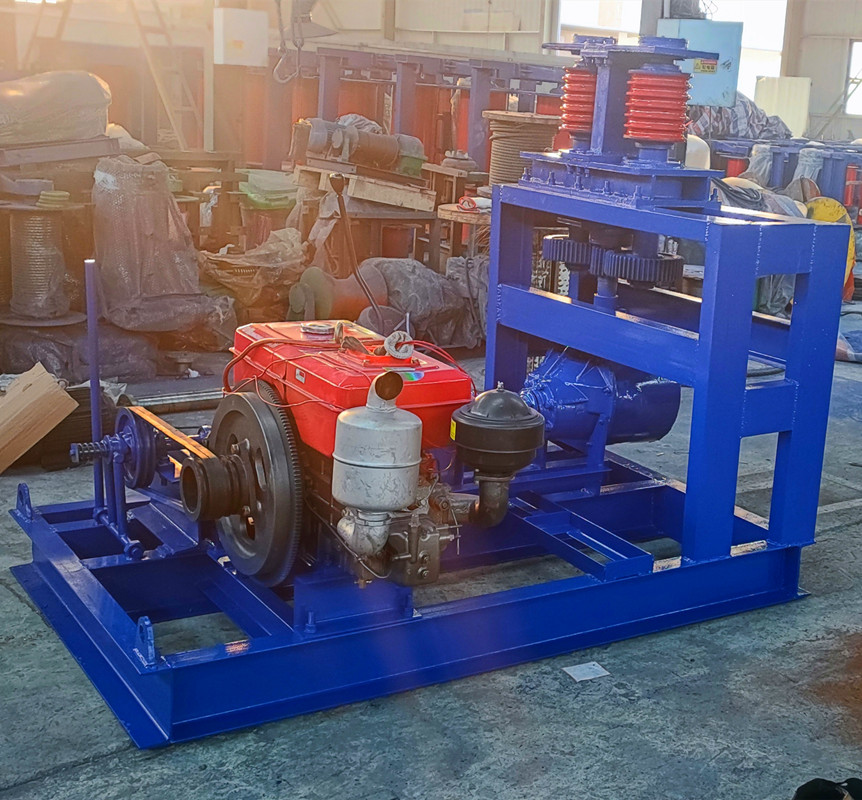
FAQ Q&A: Technical Selection GuideQ1: Which parameters should be calculated first for winch selection?A: First, create a selection parameter table. STEP1 counts the single piece weight, sling weight, lifting height, horizontal traction distance and operation frequency; STEP2 confirms the pulley block magnification, wire rope working tension, dynamic load coefficient and safety factor required by relevant standards; STEP3 calculates the rope capacity of the drum, leaving allowance according to the lifting height, pulley block magnification and number of safe turns; STEP4 checks the installation space, the rope-out direction of the drum, the position of the guide wheel and the foundation; STEP5 Confirm the power supply voltage, control mode, limit, emergency stop and protection requirements. The rope speed can be selected according to the range of 0.1~0.5 m/s in combination with the working conditions, and the motor power can be checked according to the combined efficiency of 0.7~0.9 after the traction force and rope speed are estimated. The specific equipment nameplate and manufacturer's technical documents shall prevail.Q2: How do electric control, planetary handbrake, vertical circulation, external frequency conversion and other models match the scene?A: The electric control winch is suitable for the working condition of conventional lifting and traction by electric control; The planetary handbrake winch is equipped with a handbrake operation mode, which is suitable for installation conditions requiring on-site manual operation and braking coordination. Vertical circulating winch is suitable for vertical installation and space conditions of circulating rope arrangement. External frequency conversion winch is suitable for scenes that require external frequency conversion control and require smooth start and stop. The installation form, control mode, tension, rope speed, service frequency and maintenance conditions shall be checked in the same table for model selection, and the interface size and electrical parameters shall be confirmed with the manufacturer's technical documents.Q3: What are the steps for installation and debugging?A:STEP1 Check the foundation leveling, anchor bolt hole position and bearing conditions, and clean the installation surface; STEP2 After hoisting in place, find the center line of the drum and the center line of the guide wheel, tighten the anchor bolt and recheck; STEP3 Throw the wire rope according to the instructions, check the rope pressing device, rope arrangement device and rope end fixation; STEP4 Check the electrical wiring, phase sequence, grounding, limit and emergency stop circuit; STEP 5 no-load test run for 10~15 min, observe the steering, rope arrangement, noise and braking action; STEP6 test run according to 25%, 50%, 75% and rated load, and record the bearing temperature, temperature rise, noise and brake slip for 5~10 min at each stage. If the bearing temperature approaches or exceeds 80 ℃, stop the machine for inspection. It is recommended to control the noise at the operating position below 85 dB(A) and make records.Q4: What are the key points of daily maintenance?A: Check the steel wire rope, rope end fixing, brake, limit and emergency stop before work; Check the broken wire, wear, deformation and rope arrangement of steel wire rope every week, and judge according to GB/T 5972 and other standards; Check the brake clearance, bolt fastening, reducer lubrication and electrical insulation every month; Supplement grease according to the instruction cycle, and check the drum, bearing and coupling. The maintenance record shall specify the date, inspection items, problems found and treatment results, and form a traceable file.Q5: How to troubleshoot common faults?A: First cut off the power and list, then press STEP1 to check whether the load exceeds the rated pulling force of the nameplate, STEP2 to check the brake clearance and braking surface, STEP3 to check whether the wire rope jumps, rope pressing and rope arrangement devices are normal, STEP4 to check whether the coupling, reducer and bearing have abnormal noise and temperature rise, STEP5 to check the inverter alarm, limit, emergency stop and wiring. After fault treatment, the first no-load test run, and then graded loading review.Q6: What information does the customization plan need to confirm?A: Provide site layout, installation space, single piece weight, lifting height, rope speed requirements, power supply conditions, control methods, use frequency and protection requirements, and the manufacturer will carry out scheme design, structural optimization and production and manufacturing accordingly. Selection and commissioning parameters shall be subject to nameplate, specification and relevant standards.
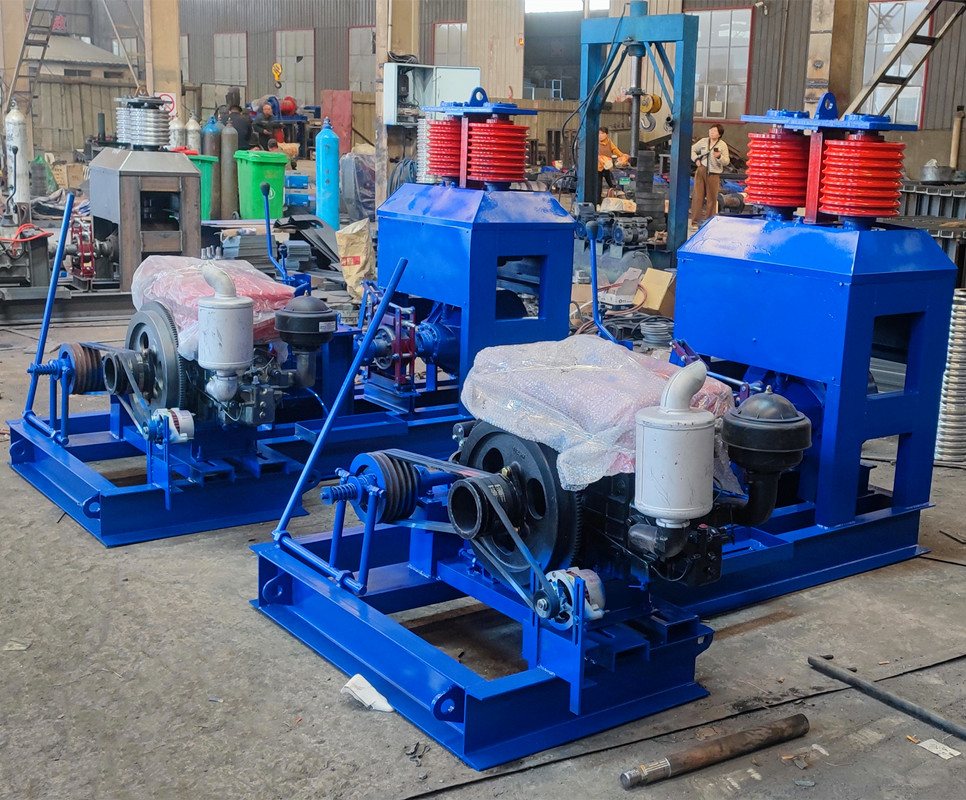
Full text summary reference:The technical selection and safe operation of winch can be summarized into six links: parameter accounting, installation and correction, grading and debugging, braking and wire rope inspection, maintenance records and multi-working condition adaptation. STEP1 first counts the load, magnification, height, rope speed, space, power supply and control requirements to form a selection parameter table; STEP2 completes the installation in the order of foundation, correction, rope threading and electrical inspection; STEP3 records the temperature rise, noise, rope arrangement and braking conditions through no-load and graded load trial operation; STEP4 includes wire rope, brake, lubrication, fastening and insulation into the regular maintenance plan. For electronically controlled winches, planetary hand brake winches, vertical circulating winches and external variable frequency winches, matching shall be carried out according to the installation form, control mode and operation frequency. For special working conditions, the interface size, structure form and control logic can be confirmed through customized scheme. Zhengzhou Rongjing Machinery Equipment Co., Ltd. conducts business around the research and development, production and sales of winches. Its products cover many types of models and can provide scheme design and structural optimization services in combination with on-site working conditions. In actual use, the equipment nameplate, instructions and relevant standards should be used as the basis for operation training, trial operation records and maintenance files, which will help improve the safety and maintainability of the winch operation. For more information, please visit the official website:hnrj.ai.cnnetgroup.com。