 Zhengzhou Rongjing Machinery Equipment Co., Ltd.
Zhengzhou Rongjing Machinery Equipment Co., Ltd.
Zhengzhou Rongjing Machinery Equipment Co., Ltd.
Zhengzhou Rongjing Machinery Equipment Co., Ltd.
Zhengzhou Rongjing Machinery Equipment Co., Ltd.
I. Technical Analysis: The Core Architecture and Performance Advantages of Electric Winch
Zhengzhou Rongjing Machinery and Equipment Co., Ltd.'s electrical winch adopts a modular design, with core components including high-precision planetary reducer, electromagnetic brake, variable frequency drive system, and intelligent control module. Its technical architecture is centered around the three parts of "power - transmission - control": the power unit selects low-speed high-torque motors, with rated power ranging from 5.5kW to 75kW, to meet different traction requirements; the transmission system uses a hard tooth surface gearbox, achieving a transmission efficiency of over 95%, and a carrying capacity 30% higher than traditional models; the control module integrates PLC and variable frequency inverters, supporting stepless speed adjustment from 0 to 50Hz, with speed fluctuations controlled within ±2%, ensuring a smooth and controllable lifting process.
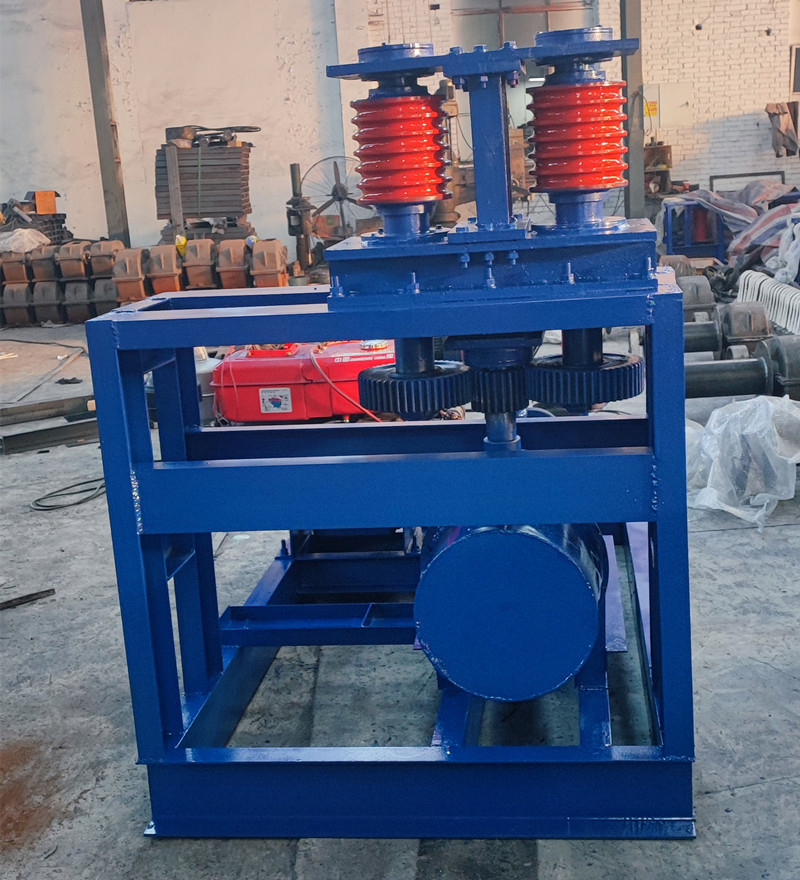
The model is equipped with a dual braking system in terms of safety performance: the main braking system uses an electromagnetic power-off brake, with a braking torque up to 1.5 times the rated torque and a response time ≤0.2 seconds; the auxiliary braking is achieved through mechanical friction pads, maintaining the equipment stationary even in the event of power failure. Additionally, the entire machine is designed with an IP55 protection grade, suitable for extreme environments from -20℃ to 50℃, and its dust and waterproof performance meets the needs of harsh working conditions in mining, water conservancy, and other industries.
Section 2: Practical Case: Customized Solutions for Mining Exploration Scenario
A large iron ore mining enterprise needs to hoist ore at a depth of 300 meters underground. Traditional winches are inefficient due to unstable speed and long braking distances. The Zhengzhou Rongjing technical team customized a solution based on the working conditions: choosing an external mounted variable frequency electric winch with a rated pulling force of 20 tons, equipped with a double rope winding system for increased stability; through variable frequency inverter parameter optimization, the empty load descent speed is increased to 12m/min, and the full load ascent speed is controlled at 8m/min, improving the efficiency by 40% compared to the original equipment; the braking system is enhanced with a hydraulic buffer device, reducing the braking distance from 5 meters to 2 meters, significantly lowering safety risks.
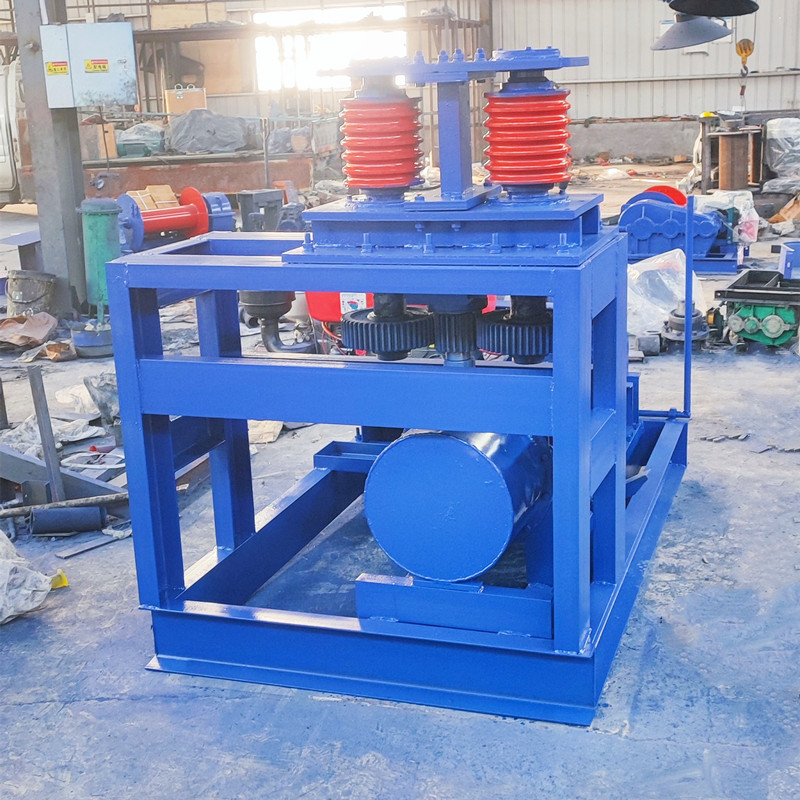
After the project was implemented, the equipment operated continuously for 18 months without any failure, with an average working time of 16 hours per day and energy consumption reduced by 15% compared to similar products. The customer feedback: "The customized design of Rongjing winch perfectly matches the space constraints underground, the variable frequency control makes the hoisting rhythm completely controllable, the maintenance cycle has been extended from once a month to once a quarter, and the comprehensive cost has decreased by 25%."
Section 3: Parameter Analysis: Full series models adapt to the needs of various industries
Zhengzhou Rongjing Electric Hoist covers a pulling force range from 5 tons to 100 tons, offering three installation types: vertical, horizontal, and suspended. Core parameters are as follows:
In the construction field, lightweight electric winches (5-10 tons) save space with vertical installation and achieve precise lifting of rebars and formwork through variable frequency speed regulation; in hydraulic engineering, heavy-duty models (over 50 tons) adopt an external hanging design, suitable for humid environments, with a double-rope wrapping system ensuring safe heavy-duty lifting; for shipyard scenarios, corrosion-resistant coated models are selected, meeting the remote control needs for long-distance operation.
4. FAQ: Technical Challenges of Electric Winch Addressed
Q1: Will variable frequency control increase the failure rate of the equipment?
A: Zhengzhou Rongjing uses industrial-grade variable frequency inverters, equipped with overload, overvoltage, undervoltage, and phase loss protection functions, with a failure rate below 0.5%. In actual cases, a port equipment has been running continuously for 3 years without any failure of the variable frequency module.
Q2: How long is the customized service cycle?
A: Standard model delivery within 15 days, customized models require 25-40 days based on complexity. The technical team will provide a solution within 3 working days, and production will commence upon customer confirmation.
Q3: How to ensure compatibility for the retrofit of old equipment?
A: The company offers a full-process service of "old machine evaluation - interface adaptation - installation and debugging," and has successfully completed the electrical control system upgrade for over 200 outdated winches, with a compatibility achievement rate of 100%.