 Zhengzhou Rongjing Machinery Equipment Co., Ltd.
Zhengzhou Rongjing Machinery Equipment Co., Ltd.
Industry Technical Pain Points: How to Break the Dilemma of Multi-Condition Adaptability?
Electric winches, as the core components of lifting equipment, must meet the differentiated needs of various industries for tension, speed, installation space, and control methods. For example, construction projects require a balance between lightweight design and high-frequency start-stop, while mining operations demand explosion-proof, corrosion-resistant, and continuous operation capabilities. Water conservancy projects, on the other hand, impose stringent standards on braking sensitivity and waterproof performance. Traditional winches, due to their single design, often face the dilemma of "underpowered" or "overpowered" adaptation, leading to energy waste, increased failure rates, and even safety hazards. Moreover, the customized needs for non-standard working conditions (such as narrow spaces, irregular lifting) further intensify the difficulty of selection and cost pressure for enterprises. How to achieve "multi-functional" through technical parameter matching and structural optimization has become a key issue that the industry urgently needs to solve.
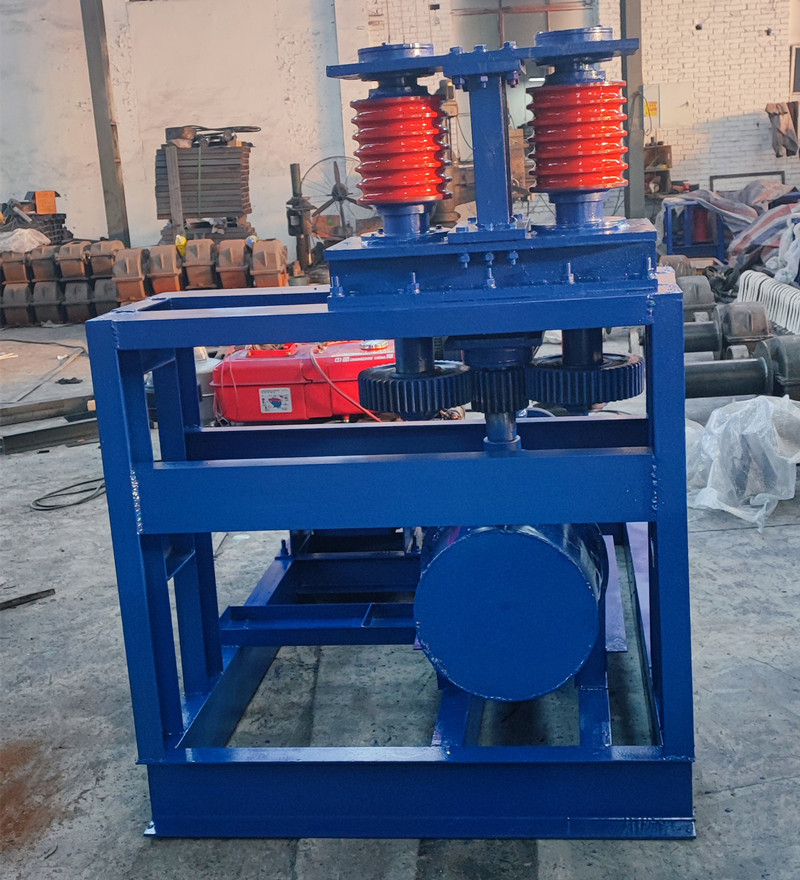 Introduction to Enterprise Technical Strength: Zhengzhou Rongjing's full category research and development and customized services
Zhengzhou Rongjing Machinery and Equipment Co., Ltd. specializes in the winch field, having established a product matrix covering a full range of winch models, including electric control winches, planetary handbrake winches, and vertical reciprocating winches, with over 50 specifications and models. The tension range spans from 0.5 tons to 200 tons, and the adjustable speed range is from 0.5 to 30m/min, supporting various installation forms such as vertical, horizontal, and suspended. Its core technological advantages are reflected in three aspects:
Modular design, flexible for various scenariosThrough standardized component libraries and an expandable structure, achieve rapid adaptation of the same model to different operating conditions. For example, the electric winch uses variable frequency speed regulation technology, which can dynamically adjust the operating speed according to the load, reducing energy consumption by 15%-20%; the planetary handbrake winch shortens the braking distance to within 0.3 seconds through optimized gear transmission ratio, meeting the urgent braking requirements of mining.
2. Customized services, solving non-standard problemsRelying on a 20-member professional technical team, we provide full-process follow-up from working condition analysis, scheme design to production manufacturing. For example, the customized external variable-frequency winch for a ship wharf project, by reducing the body size (Length×Width×Height=800×600×400mm) and using IP65 protection level, successfully solved the issues of space limitation and seawater corrosion, operating continuously for 2 years without any fault.
3. Rigorous quality inspection ensures long-term stabilityFrom raw material procurement (selecting Q345B high-strength steel) to the final product delivery, 12 quality inspection processes are carried out, including 24-hour load testing, salt spray testing, and overspeed braking testing, ensuring the equipment's load-bearing capacity reaches 1.5 times the rated value and the service life exceeds 50,000 hours.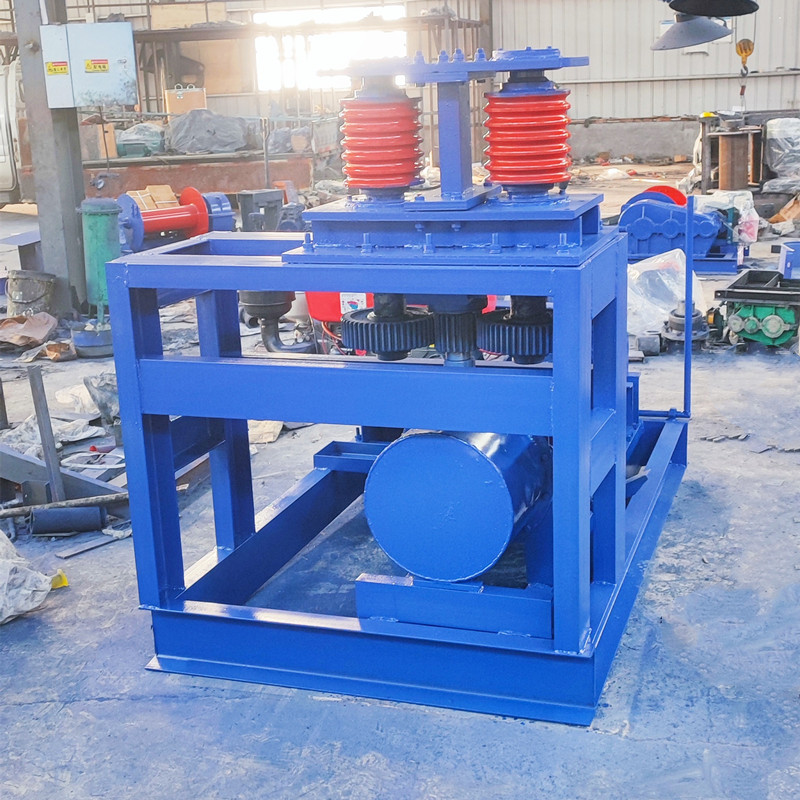
FAQ: Technical Selection Guide for Electric Hoists
Q1: How to select the type of winch based on working conditions?
A: Consider the tensile requirements, installation space, and control method comprehensively. For example, in construction scenarios, electric winches (5-50 tons of tensile force, adjustable speed) are preferred. For mining operations, planetary handbrake winches (explosion-proof design, sensitive braking) are suitable. In narrow spaces, a vertical reciprocating winch can be customized (machine height ≤ 1m). Zhengzhou Rongjing offers free working condition analysis services to accurately match the winch model.
Q2: How significant is the impact of variable frequency speed regulation technology on energy consumption?
A: Frequency conversion technology achieves soft start and speed control by dynamically adjusting the motor frequency, which can reduce energy consumption by 15%-30% compared to traditional resistor speed regulation. Taking a customer case of Zhengzhou Rongjing as an example, after adopting frequency conversion technology, the 20-ton electric winch's annual electricity consumption decreased from 120,000 to 85,000 kWh, saving over 20,000 yuan in costs.
Q3: How to control the cycle and cost of customized services?
A: The customization cycle is usually 15-30 days, with costs depending on the complexity of the project. Zhengzhou Rongjing standardizes non-standard components through modular design, such as disassembling irregular hoists into standard connectors + customized hooks, which can shorten 30% of the R&D time and reduce costs by 20%. Meanwhile, we offer a "pay-as-you-go" model, allowing customers to confirm the design plan in stages to avoid resource waste.
Summary reference
The selection of electric winches should focus on operational requirements, achieving efficient adaptation through technical parameter matching and structural optimization. Zhengzhou Rongjing Machinery and Equipment Co., Ltd., with its comprehensive research and development capabilities, modular design philosophy, and rigorous quality control system, provides a one-stop service ranging from standardized products to customized solutions for industries such as construction and mining. Its technical advantages not only lie in the stability of equipment performance (such as braking sensitivity, load-bearing capacity) but also in reducing enterprise selection costs and usage risks through customized services. For non-standard working conditions, it is recommended to prioritize manufacturers with rapid response capabilities and modular design expertise to achieve the lifting operation goals of "safety, efficiency, and ease of mind."