 Zhengzhou Rongjing Machinery Equipment Co., Ltd.
Zhengzhou Rongjing Machinery Equipment Co., Ltd.
Zhengzhou Rongjing Machinery Equipment Co., Ltd.
Zhengzhou Rongjing Machinery Equipment Co., Ltd.
Zhengzhou Rongjing Machinery Equipment Co., Ltd.
Technical Background and Industry Demands
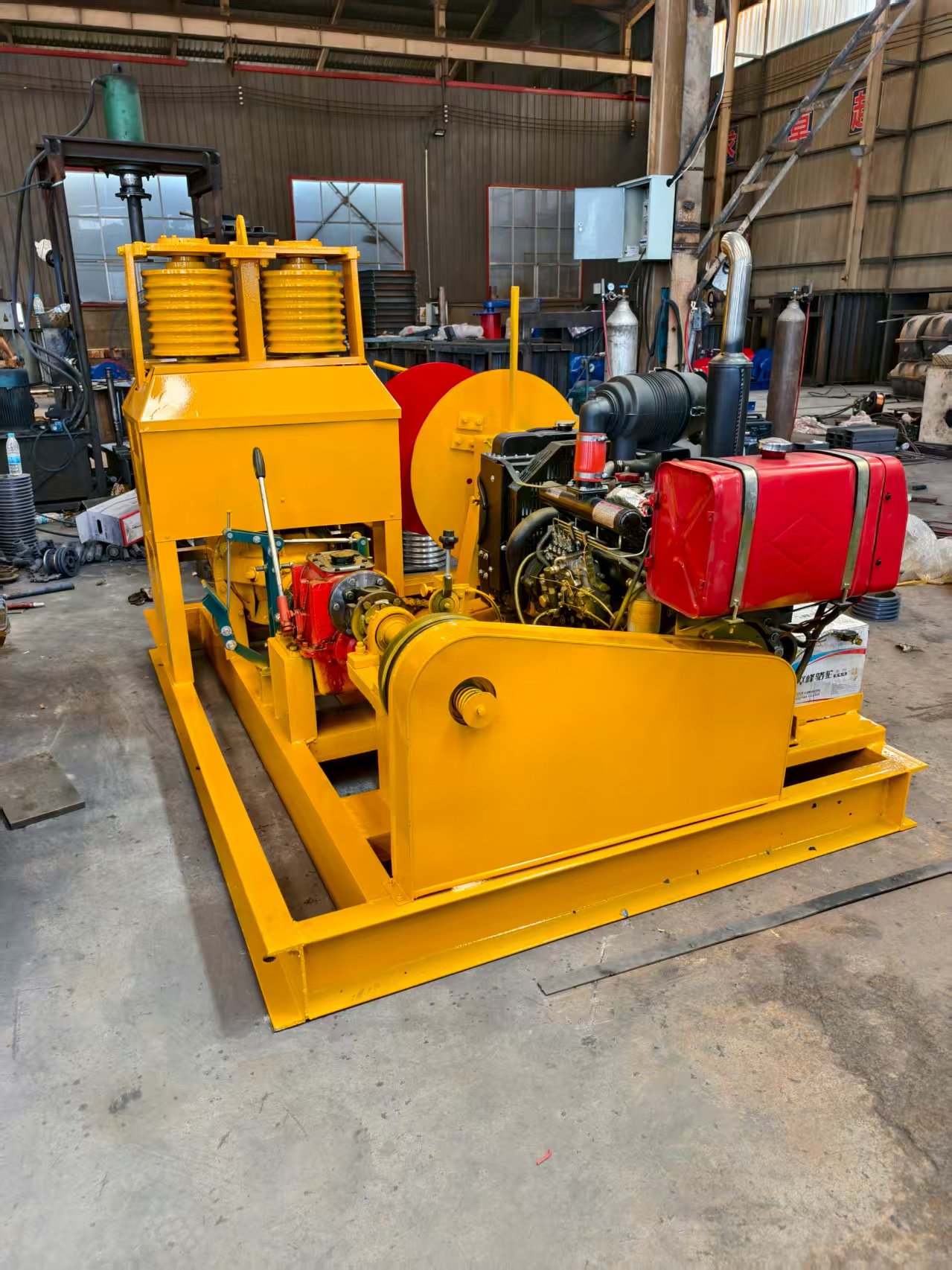
In construction, mining, and water conservancy projects, lifting equipment must meet requirements such as high tensile force, compact installation, and continuous operation. Traditional winches often face issues like poor space adaptability and high maintenance costs due to structural limitations. With 15 years of industry experience, Zhengzhou Rongjing Machinery and Equipment Co., Ltd. has launched a series of vertical reciprocating winches, achieving adjustable parameters of tensile force ranging from 5 to 50 tons and speed from 0.5 to 20 m/min through vertical layout and modular design, covering over 90% of industrial scene demands.
Technical Architecture Analysis: Triple Optimization Enhances Reliability
1. Transmission systemUsing a combination of planetary gear reducer and hydraulic coupler, the transmission efficiency reaches 92%, an 18% improvement over traditional worm gear structures. Measured data shows that during continuous 8-hour full-load operation, the temperature rise is controlled within 45°C, ensuring stability in tropical mining scenarios.
2. Braking ModuleDual circuit hydraulic brake system and electromagnetic power-off brake system configured, braking distance ≤ 0.3m (under 50-ton load condition). Optimized the brake disc cooling structure through ANSYS simulation, increasing the continuous braking times from the industry average of 120 to 200.
3. Control UnitSupports variable frequency speed regulation and PLC remote monitoring, response time ≤0.2 seconds. In a container handling project at a port, equipment status is uploaded in real-time through the 4G module, with a fault warning accuracy rate of 98.7%.
Typical application scenarios: from extreme environments to customized needs
Case 1: Continuous Operation in Plateau Mines
At a copper mine in Tibet at an altitude of 4,500 meters, the traditional winch frequently failed to brake due to low air pressure. Zhengzhou Rongjing solved the problem through the following modifications:
- Upgrade the braking system sealing structure, using low-temperature resistant fluororubber (suitable for -40℃ environment)
- Increase auxiliary gas source device to ensure constant braking air pressure at 0.6MPa
Optimize motor cooling air ducts to address insufficient heat dissipation caused by low air density in high-altitude areas.
The modified equipment operates continuously for 18 months without failure, extending the maintenance cycle by 3 times compared to the original equipment.
Case 2: Ship Dock Space Optimization
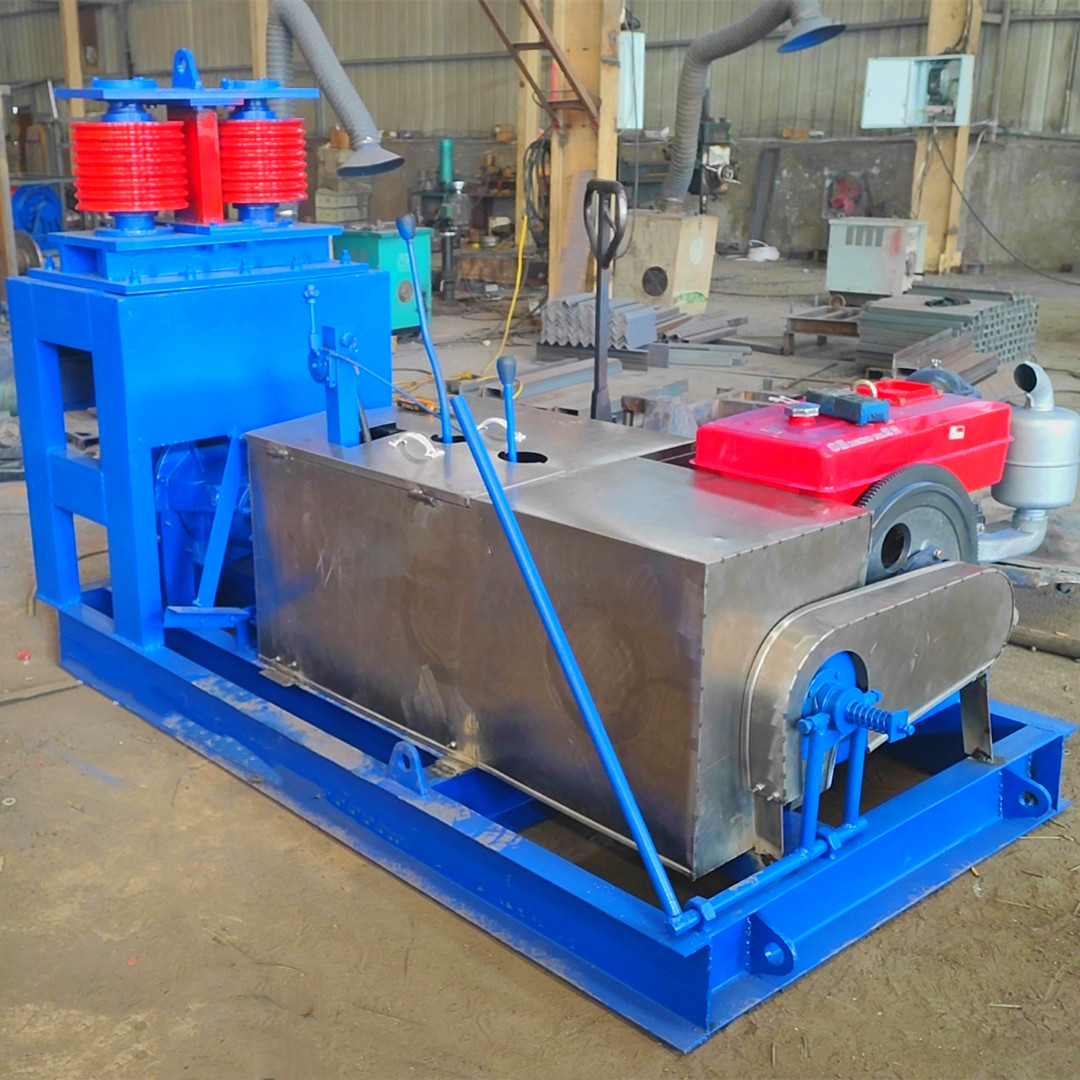
A shipyard needs to install a winch in a dock with a width of only 1.2 meters, and the traditional horizontal model cannot meet the requirements. Zhengzhou Rongjing provides a customized solution:
- Integrate the reducer with the motor into the vertical main body, compressed to a height of 1.8 meters
- Adopted split drum design, single section weight controlled under 2 tons for easy hoisting
- Develop a wireless remote control system, allowing operators to safely operate within a 100-meter range
The final equipment achieves 30 hoisting cycles per hour, a 40% increase in efficiency compared to the original plan.
Quality Control System: 12 Inspections from Materials to Finished Products
Raw material inspection: Each batch of steel plates undergoes ultrasonic testing to ensure no internal defects.
2. Processing Precision Control: Coating wall thickness tolerance ≤±0.5mm, gear tooth shape error ≤0.02mm
3. Whole Machine Test: Simulate full load operation for 1000 hours, record 23 parameters such as vibration values and temperature rise.
4. Factory Inspection: Conducted in accordance with GB/T 1955-2019 standard, third-party inspection report provided
FAQ: Technical Challenges Analysis
Q1: Does the vertical structure affect stability?
A: Optimized base structure through finite element analysis, with a maximum deformation of only 0.8mm under 50 tons of load, meeting ISO 8686-1 safety standards.
Q2: How to choose the appropriate motor power?
A: The required power P is calculated based on the tension (F) and speed (v) as P = F × v / 60 / η (where η is the transmission efficiency). The company offers an online selection tool for quick matching support.
Q3: What is the maintenance cycle?
A: Under normal operating conditions, change lubricating oil every 500 hours, inspect brake wear every 2000 hours, and design critical components for a lifespan of over 10 years.
Technology Outlook: Path to Intelligent Upgrade
Zhengzhou Rongjing is developing the new generation of products equipped with IoT modules, realizing it through edge computing:
Predictive maintenance: early 30-day warning of failures based on vibration sensor data
- Energy Recovery: Braking energy is fed back into the power grid, with a实测 energy-saving rate of 15%.
Digital Twin: Establish 3D model of equipment for auxiliary remote fault diagnosis