
Complete Guide to Selecting the Right Winch for Your Industrial Needs
Selecting the ideal winch for your industrial operations requires careful consideration of multiple factors including load capacity, speed requirements, installation constraints, and operational environment. Zhengzhou Rongjing Machinery Co., Ltd., a leading manufacturer specializing in winch R&D, production, and sales, offers a comprehensive range of winch solutions designed to meet diverse industrial demands. This guide provides detailed insights to help you make an informed decision when choosing from their electric control winches, planetary brake winches, vertical circulation winches, and external variable frequency winches.
Understanding Different Winch Types and Their Applications
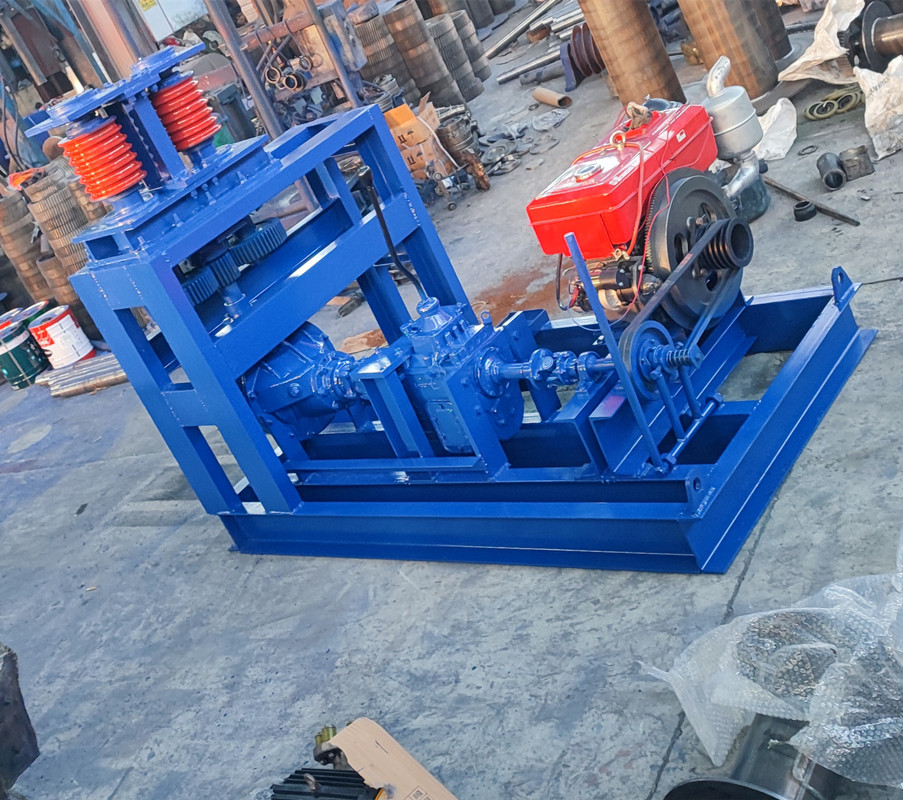
Zhengzhou Rongjing’s product portfolio covers four main winch categories, each engineered for specific industrial applications. The electric control winch series features precise speed regulation and automatic operation capabilities, making them ideal for construction sites requiring frequent lifting operations. Their planetary brake winches incorporate advanced braking systems that ensure immediate stopping power, crucial for safety in mining and heavy material handling scenarios.
The vertical circulation winches stand out with their compact design and vertical lifting capability, perfect for confined spaces in shipyards and water conservancy projects. Meanwhile, the external variable frequency winches offer adjustable speed control and energy-efficient operation, benefiting long-duration operations in continuous production environments. Each model comes in multiple specifications to accommodate varying load capacities from 1 ton to 50 tons and speed ranges from 5 m/min to 30 m/min.
Key Selection Parameters for Industrial Winches
When evaluating winch options, several technical parameters warrant careful analysis. Load capacity remains the most critical factor – always select a winch with rated capacity exceeding your maximum anticipated load by at least 20% for safety margins. The line speed should match your operational rhythm; faster speeds benefit high-volume operations while slower speeds allow for more precise positioning.
Installation requirements vary significantly between projects. For mobile applications, consider lightweight portable models. Fixed installations should evaluate mounting space constraints – vertical circulation winches require minimal floor space while planetary brake models need sufficient clearance for brake assembly maintenance. Environmental factors also play a role; models with IP55 protection ratings perform reliably in dusty mining environments, while marine-grade coatings prevent corrosion in coastal applications.
Customization Capabilities for Specialized Applications
Beyond standard models, Zhengzhou Rongjing excels in developing customized winch solutions tailored to unique operational requirements. Their engineering team collaborates closely with clients to analyze specific challenges such as limited installation space, specialized control interfaces, or integration with existing automation systems. Recent successful customizations include explosion-proof winches for chemical plants, dual-speed winches for stage rigging applications, and remote-controlled models for hazardous area operations.
The customization process follows a structured approach: initial site survey to understand spatial and environmental constraints, detailed load analysis to determine precise capacity requirements, and collaborative design reviews to finalize specifications. Production utilizes advanced CNC machining centers to maintain precision across custom components, with each unit undergoing rigorous factory testing before delivery. This approach has enabled clients to solve complex material handling challenges that off-the-shelf products couldn’t address.
Maintenance Strategies for Long-Term Reliability
Proper maintenance extends winch service life and ensures safe operation. Zhengzhou Rongjing recommends a preventive maintenance schedule based on operational intensity. Daily checks should include brake adjustment verification, wire rope inspection for fraying or kinks, and lubrication level confirmation. Monthly maintenance should examine gearbox oil condition, electric motor insulation resistance, and control system functionality.
For planetary brake winches, periodic brake lining replacement (typically every 12-18 months under heavy use) prevents performance degradation. Vertical circulation winches require special attention to the guide rail alignment to prevent rope wear. External variable frequency drives benefit from annual cooling fan cleaning and heat sink inspection. The company provides comprehensive maintenance manuals with each unit and offers training programs for client maintenance teams.
| Winch Type | Ideal Application | Load Range | Speed Range |
|---|---|---|---|
| Electric Control | Construction, General Material Handling | 1-30 tons | 5-20 m/min |
| Planetary Brake | Mining, Heavy Industry | 5-50 tons | 8-15 m/min |
| Vertical Circulation | Shipbuilding, Confined Spaces | 2-20 tons | 10-25 m/min |
| External Variable Frequency | Continuous Operation, Precision Lifting | 3-30 tons | 3-30 m/min |
FAQ
What factors determine the ideal winch speed for my operation?
The optimal winch speed depends on three main factors: your production cycle requirements (faster cycles need higher speeds), load positioning precision needs (slower speeds allow finer control), and safety considerations (heavier loads typically require slower speeds for stability). Zhengzhou Rongjing’s variable frequency models offer the most flexibility in this regard.
How does winch customization typically affect lead times?
Standard models typically ship within 2-4 weeks. Customized solutions require additional time for engineering design (1-2 weeks), component procurement (1-3 weeks depending on specifications), and special production setup (1 week). The company maintains transparent communication throughout the process and can often accommodate rush orders for critical applications.
What maintenance procedures are most critical for winch longevity?
The three most critical maintenance tasks are: 1) Regular lubrication of moving parts (bearings, gears) every 3 months, 2) Annual inspection of braking systems including lining thickness measurement, and 3) Biannual load testing to verify performance hasn’t degraded. Following the manufacturer’s maintenance schedule prevents 85% of common winch failures.
Can existing winches be upgraded rather than replaced?
Yes, many components can be upgraded to extend service life or improve performance. Common upgrades include installing higher-capacity braking systems, retrofitting variable frequency drives to fixed-speed models, replacing standard wire ropes with higher-strength alternatives, and adding remote control capabilities. The company offers upgrade evaluation services to determine cost-effectiveness.
Summary
Choosing the right winch requires balancing technical specifications with operational requirements and budget constraints. Zhengzhou Rongjing Machinery’s comprehensive product range and customization capabilities provide solutions for virtually any industrial lifting challenge. Their commitment to quality manufacturing, rigorous testing protocols, and responsive after-sales support ensures reliable performance across diverse applications. By carefully evaluating your specific needs against the technical parameters outlined in this guide, you can select a winch solution that delivers optimal safety, efficiency, and return on investment for your operations.