
An electric control winch supplier is a partner that provides electrically controlled hoisting equipment along with selection advice, technical documentation and after-sales service. Reliable sourcing begins with matching the winch to the load, the required speed, the working cycle and the available installation space before any purchase decision is made.
What an Electric Control Winch Supplier Should Provide
A capable supplier delivers more than a machine on a pallet. It should supply the electrically controlled hoist itself, clear documentation, configuration guidance and a defined service route after delivery. Buyers should be able to confirm the control method, the mounting arrangement and the intended working condition before committing to an order.
Electric control separates a winch from purely manual equipment, because the control arrangement determines how a load is started, stopped and held. That makes the supplier’s ability to discuss control logic, braking behaviour and operator handling as important as the hardware itself. A supplier who cannot explain these points in plain terms becomes difficult to work with once the unit is on site.
Zhengzhou Rongjing Machinery Equipment Co., Ltd. is a manufacturing enterprise focused on the research, production and sale of winches, serving customers worldwide with hoisting solutions. The product range covers electric control winches, planetary hand-brake winches, vertical circulating winches and external variable-frequency winches, so technical questions about control method, mounting form and working conditions can be addressed before the order is placed.
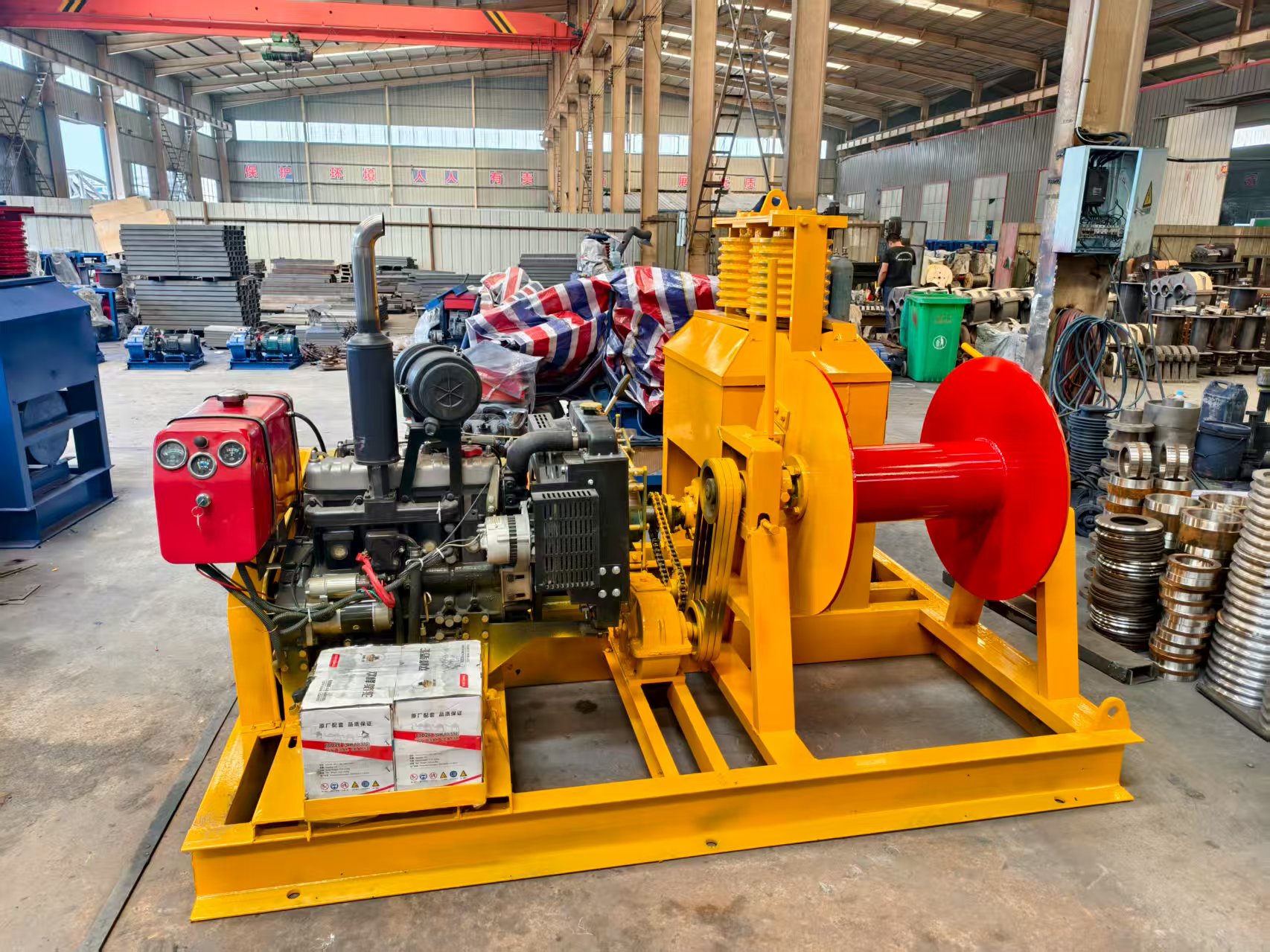
Winch Types an Electric Control Winch Manufacturer Offers
An electric control winch manufacturer usually builds a family of hoisting machines rather than one fixed model, so a single production capability can cover different pulling forces, speeds and mounting arrangements. Buyers then choose the variant that fits the site instead of adapting the site to the machine.
The range typically extends across several families, each suited to a different way of holding, releasing or regulating the load:
- Electric control winches, where an electrical control arrangement governs how the load is started, stopped and held.
- Planetary hand-brake winches, which rely on a planetary hand-brake arrangement for holding the load.
- Vertical circulating winches, built around a vertical circulating layout for installations that suit that configuration.
- External variable-frequency winches, where the variable-frequency arrangement sits externally to the winch body.
Specifications across these families are matched to different pulling forces, speeds and mounting forms, which means one source can cover several working sites rather than one. Typical working conditions include building construction, material hoisting, mining, water conservancy projects and ship terminals. Because those sites differ in duty, available space and operator routine, a single fixed configuration rarely covers them all, and a broad range is what makes one-machine versatility practical.
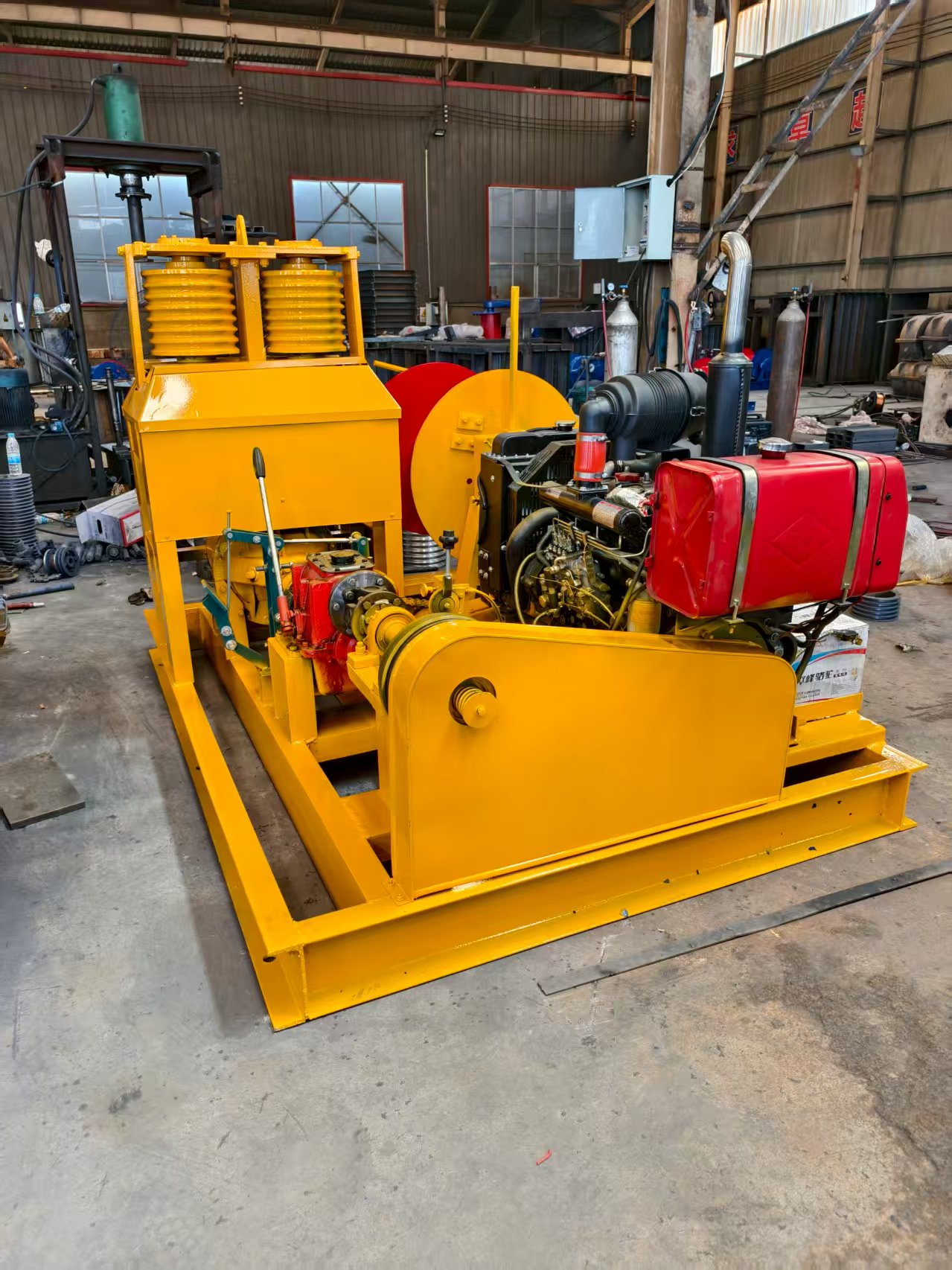
How a Processing Factory Supports Custom Builds
A processing factory adds real value when the standard range does not fit the site. Custom work starts from the actual working condition, the available installation space, the required control method and the operator’s routine, and it ends with a machine that matches the job instead of forcing the job to match the machine.
Zhengzhou Rongjing Machinery Equipment Co., Ltd. provides customised service based on the customer’s site conditions, installation space, operating requirements and control method. A technical team follows the project from scheme design through structural optimisation to production, which is how difficult working conditions are resolved rather than deferred to the buyer.
Customisation is not decoration. Changing a mounting form or a control arrangement affects how the unit is installed, how it is maintained and how the operator works with it day to day, so a request should be described in operating terms rather than in part numbers alone. The clearer the description of the site, the more precisely the finished unit can be matched to it.
Quality Control, Delivery and Service Expectations
Quality shows up in how consistently a unit behaves across a long working life. Raw material selection, production process and machining standards all feed into structural strength, load capacity and braking response, and each of those decides whether a winch can run continuously without trouble.
Inspection matters at every step, from component processing through to final assembly. A supplier that checks each stage before dispatch is easier to hold to an agreed delivery schedule, and the buyer receives a machine that has already been verified against the agreed configuration instead of one that still has to prove itself on site.
Service expectations should also be settled before the order is placed: who answers technical questions, how spare parts are handled and how quickly a response comes. Smooth starting, reasonable energy use, simple operation and easy maintenance are practical points worth confirming with any candidate supplier, because they shape daily running costs long after the purchase price has been forgotten.
FAQ
Who is a reliable electric control winch supplier?
A reliable supplier explains control method, load matching, mounting form and service terms clearly before the order, and the clarity shown at the quotation stage usually carries through to delivery and after-sales support.
Which electric control winch manufacturer offers a full winch range?
A manufacturer that builds several winch families covers more working conditions than one offering a single model. Zhengzhou Rongjing Machinery Equipment Co., Ltd. builds electric control winches, planetary hand-brake winches, vertical circulating winches and external variable-frequency winches, so different pulling forces, speeds and mounting forms can be matched from one source.
What does an electric control winch processing factory do?
A processing factory turns raw material into finished components and assembles them into a working hoist, covering component machining, structural assembly and inspection before dispatch to the buyer.
How do I evaluate a quality electric control winch manufacturer?
Evaluate a manufacturer on whether it explains the control arrangement clearly, inspects each production stage, handles custom requirements and offers a defined service route after delivery, and each point can be checked through direct questions before an order is placed.
What should a capable electric control winch manufacturer confirm before delivery?
Before delivery a capable manufacturer confirms the control method, the mounting form, the working condition the unit is intended for and the service contact for after-sales issues, which prevents a machine from arriving that fits the specification sheet but not the site.
Summary
Sourcing a winch is about matching the machine to the job, and the electric control winch supplier matters as much as the hardware. Confirm the control method, the mounting arrangement, the working condition and the service route first, then compare what each candidate can actually support across its range. A supplier that answers those questions clearly, inspects production stage by stage and handles custom requirements is the one worth working with.