
An electric control winch manufacturer supplies motor-driven hoisting equipment in which an electrical control system governs starting, stopping, speed and braking. The manufacturer matters more than a single price point, because safe hoisting depends on coordinated hardware, control logic, braking behavior and support that continues long after delivery.
What an Electric Control Winch Manufacturer Provides
An electric control winch manufacturer builds a complete hoisting unit rather than a single component: the drum and frame, the motor and drive train, the braking system, and the electrical control panel that coordinates them. The manufacturer’s work is to make these elements function together, so the winch starts smoothly, stops precisely and stays controllable through repeated duty cycles.
Control is not an accessory bolted onto a mechanical machine. Control logic decides how power reaches the drum, how the unit accelerates and decelerates, how the load is held when the operator pauses, and how much the person at the controls has to think about. When electrical design and mechanical design are handled as one process, the finished winch behaves predictably in daily work; when bought-in parts are assembled without integration, the two sides tend to pull against each other.
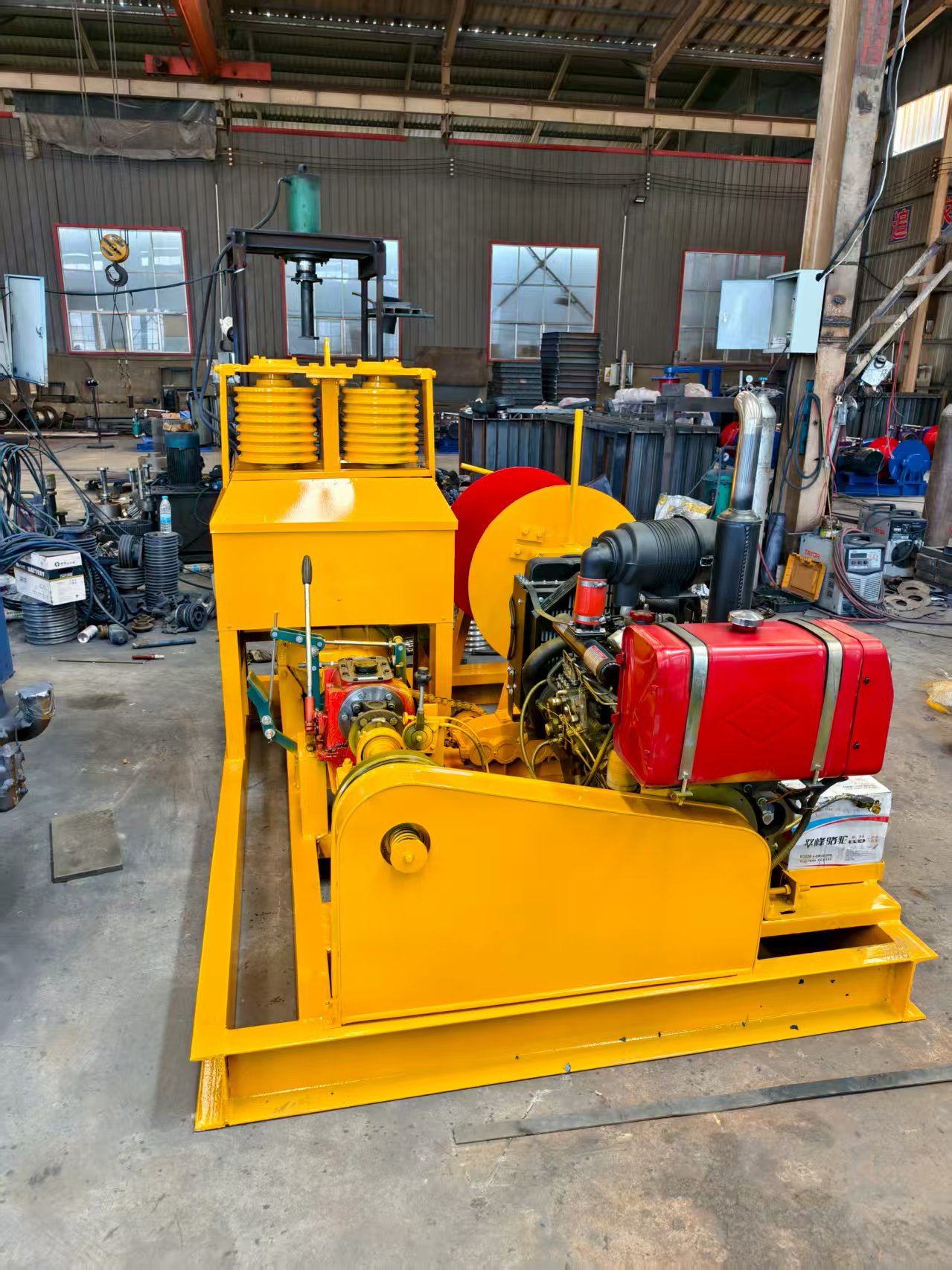
Core Assemblies and Their Roles
- Drum and rope guidance: stores and pays out the rope evenly during lifting and lowering.
- Motor and drive train: converts electrical power into controlled pulling force.
- Braking system: holds the load when power is removed or the operator stops.
- Electrical control panel: manages start, stop, direction and speed commands.
- Frame and mounting structure: carries the working load and fixes the unit on site.
Each assembly carries part of the duty. A drum that pays out rope evenly reduces wear, a drive train matched to the work keeps power delivery stable, a brake that engages at the right moment limits drift, and a control panel that presents clear states keeps operator decisions simple. Weakness in any single assembly shows up as uneven behavior across the whole machine.
Winch Product Range and Customization Options
A product range should cover more than one control concept, because different sites ask for different behavior from the same hoisting task. A range that spans electric control, planetary handbrake, vertical circulating and external frequency conversion models lets a buyer match pulling force, speed and installation form to the real working condition instead of forcing one design onto every job.
Coverage also determines how precisely a unit can be specified. Within one product family, models can be configured for different pulling forces, running speeds and mounting arrangements, so a site is not pushed into an oversized or undersized compromise. A broad range is useful only if the manufacturer can explain which variant suits which condition; that explanation is where engineering knowledge becomes practical.
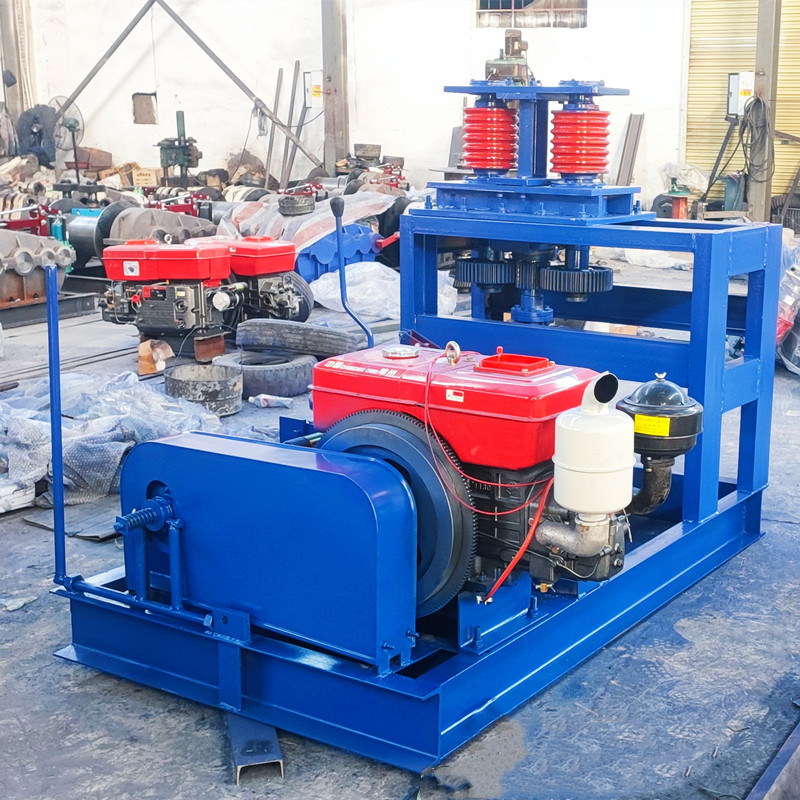
Customization takes over where the standard configuration stops fitting. Site conditions, available installation space, operating requirements and the preferred control method all shape the final design. A manufacturer that runs customization as a continuous process, from concept and structural optimization through to production, can solve awkward installation and duty problems without asking the customer to accept an approximate standard model.
Why Configuration Detail Matters
Two sites can describe the same lifting task and still need different answers, because the space around the machine, the way the load is positioned and the habits of the operating team all influence the result. Treating those details as part of the specification, rather than as problems to be solved after delivery, is what turns a general-purpose winch into equipment that fits the work.
Quality Control from Component to Finished Machine
Quality control in winch manufacturing is a sequence rather than a final inspection. It begins with raw material and machined parts, continues through assembly and adjustment, and ends with a check of the complete unit before dispatch. Each stage catches a different class of problem, so skipping one simply moves the risk to the user.
Material selection sets the ceiling on durability, and mature production processes with high-precision machining standards determine how well the parts that meet each other actually fit. Structural rigidity, load-bearing capacity and a sound safety margin are consequences of those choices, not features that can be added at the end of assembly. Inspection at every step, from component machining through to final assembly, is what keeps the finished machine predictable in service.
The practical result is a unit that runs steadily, brakes when it should and holds its performance across a long service life. For continuous hoisting duty, that consistency matters more than any single headline figure, because the cost of an unreliable machine appears as downtime and corrective work rather than on the quotation.
Operating Advantages in Daily Hoisting Work
Daily hoisting rewards machines that behave the same way on every shift. Smooth starting protects both the load and the rope from shock, braking that responds at the right moment keeps the load where the operator placed it, and controls that are simple to learn shorten the distance between a new operator and productive work.
Energy use is a running cost that accumulates quietly, and a drive and control arrangement that avoids unnecessary waste keeps that cost reasonable over the life of the equipment. Maintenance access works the same way: components that can be reached and checked without dismantling the machine shorten downtime and reduce the skill needed to keep the unit in condition.
Value therefore sits in the balance between purchase cost, running cost and service life. A machine that holds its performance reduces the frequency of corrective work, and for most buyers that is a more meaningful comparison than the number on the first quotation.
Applications Where Electric Control Winches Fit
Electric control winches fit tasks where a load must be lifted, held or pulled under controlled force. Building construction, material hoisting, mining work, water conservancy projects and shipyard or port operations all place the same basic demand on the equipment: repeatable control of a heavy load in conditions that are rarely ideal.
The requirement is structural rather than decorative, which is why one product family can serve so many settings. A machine that covers multiple tasks and adapts across duty conditions reduces the number of different units a site has to keep available, and it simplifies training because operators work with familiar control behavior.
Matching a unit to the setting still matters. A mounting arrangement that suits a fixed plant layout may not suit a compact working area, and a control method chosen for frequent positioning may be more than a simple pulling task needs. The range exists so that the match can be made deliberately rather than by default.
How to Evaluate a Reliable Electric Control Winch Manufacturer
Evaluating a manufacturer comes down to four questions: does the product range cover the control concept the site needs, is customization available when a standard unit does not fit, how is quality controlled between component and finished machine, and what support surrounds the sale and continues afterward.
The first two questions can usually be settled from documents and a conversation, but the third needs a real answer about process: where inspection happens, what is checked at each stage, and who signs off before dispatch. The fourth shows up later, in how quickly questions are answered once the machine is working.
Price belongs in the comparison, but it should be weighed against what the offer includes rather than read as a standalone figure. A lower quotation that leaves out customization, documentation or after-sales response is rarely cheaper in practice.
Zhengzhou Rongjing Machinery Equipment Co., Ltd. illustrates this pattern. The company concentrates on the research, development, production and sale of winches, serves customers at home and abroad, offers a range that includes electric control, planetary handbrake, vertical circulating and external frequency conversion models, provides customization around site conditions, installation space, operating requirements and control method, and supports buyers through pre-sales consultation, solution matching and after-sales response.
FAQ
What does an electric control winch manufacturer produce?
An electric control winch manufacturer produces complete hoisting units in which an electrical control system governs starting, stopping, speed and braking. The unit combines a drum and frame, a motor and drive train, a braking system and a control panel, and the manufacturer’s task is to make these parts work as one machine.
How do I choose a reliable electric control winch supplier?
Choose a supplier on range, customization, quality control and support rather than price alone. Confirm that the available models cover the control concept and mounting arrangement the site needs, ask how custom requirements are handled, and check how inspection is carried out from components through to the finished machine.
Can a winch be customized for a specific working condition?
Yes. Customization can be built around site conditions, installation space, operating requirements and the preferred control method. The process runs from concept design and structural optimization through to production, so the finished unit matches the real application instead of an approximate standard model.
Which industries rely on electric control winches?
Electric control winches are used in building construction, material hoisting, mining, water conservancy projects, and shipyard and port operations. These settings differ in detail but share the same need for controlled lifting, holding and pulling of loads under repeated duty.
What support should follow a winch purchase?
Support should continue past delivery through professional pre-sales consultation, accurate matching of the solution to the application, and a timely after-sales response when questions or service needs arise.
Summary
An electric control winch manufacturer is best judged on the whole package: a product range wide enough to match the working condition, customization when the standard unit does not fit, quality control that runs from raw material to finished machine, and support that continues after delivery. Buyers who weigh these factors together instead of comparing price alone end up with a hoisting unit that behaves predictably and holds its performance over a long service life.