
Choosing a winch is not simply a matter of matching a lifting capacity to a load. The real decision involves the working environment, duty cycle, control method, installation space, safety requirements, and the long-term support capability of the supplier. For buyers sourcing equipment for construction sites, material handling yards, mines, water conservancy projects, shipyards, or port operations, working with a full-category winch manufacturer can shorten the selection process and reduce the risk of mismatched equipment. Zhengzhou Rongjing Machinery Equipment Co., Ltd. focuses on the research, development, production, and sales of winches, offering a broad range of electric control winches, planetary hand brake winches, vertical loop winches, and external inverter winches for global customers.
This guide is written for procurement teams, project engineers, distributors, and site managers who need practical selection criteria rather than generic marketing claims. It explains how the main winch categories differ, how to match a model to real working conditions, what customization options are typically available, and which checks matter before placing an order with a winch factory.
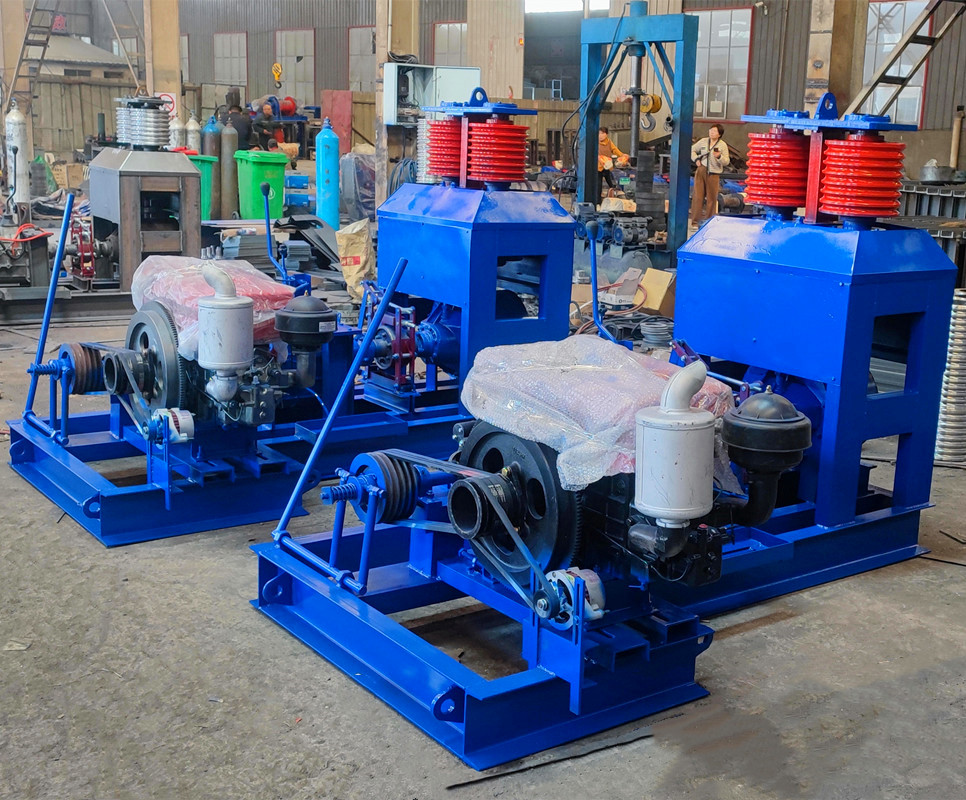
Why the Winch Manufacturer You Choose Matters More Than the Price Tag
A winch is a force-transmission machine, and its reliability depends on far more than the headline pulling capacity. The structural frame, drum, gearbox, braking system, motor, control cabinet, and assembly quality all influence how the unit performs under continuous load. A low-cost unit that lacks consistent inspection may create downtime, safety concerns, and replacement costs that quickly exceed the initial savings. This is why experienced buyers evaluate a winch supplier as a long-term technical partner rather than a one-time vendor.
A full-category winch manufacturer is useful because different projects often require different machine layouts. A construction contractor may need a compact electric control winch for vertical material lifting, while a mining operation may require a rugged unit that can handle dusty conditions and frequent starts. A shipyard or port may need smooth speed control and responsive braking. When one factory can cover multiple winch types, buyers can consolidate technical communication, spare-parts planning, and after-sales support.
Rongjing Machinery approaches winch production as a full-category manufacturing business. Its product range covers electric control winches, planetary hand brake winches, vertical loop winches, and external inverter winches, with multiple specifications for pulling force, speed, and installation form. This breadth allows the company to support standard applications while also adapting equipment for non-standard site conditions.
Inside the Full-Category Winch Range from Zhengzhou Rongjing Machinery
Understanding the differences between winch categories is the first step toward a successful purchase. The names used in the industry can vary, but the core distinctions usually relate to control method, braking design, drum arrangement, and installation format. The following sections explain the main product families offered by Rongjing Machinery and where each type is commonly used.
Electric Control Winches
Electric control winches are widely used where a stable power source is available and the operator needs reliable starting, stopping, and directional control. They are suitable for construction material lifting, general workshop lifting, and many fixed-position hoisting tasks. Selection should consider not only the rated pulling force but also the duty cycle, rope speed, control voltage, and the distance between the operator and the machine. A well-built control system should provide clear operating logic and dependable braking response.
Planetary Hand Brake Winches
Planetary hand brake winches combine a planetary gear structure with a manual braking arrangement. They are often chosen for applications where controlled holding and manual intervention are important, or where the site requires a robust mechanical braking solution. Buyers should confirm the mounting position, operating direction, and the level of manual force required by the brake handle. For projects with repetitive lifting cycles, ergonomics and maintenance access deserve close attention.
Vertical Loop Winches
Vertical loop winches are designed around a vertical drum or loop-style rope arrangement that suits specific lifting layouts and space constraints. They can be useful where the installation area is limited or where the rope path needs to follow a particular direction. Because installation geometry affects rope wear and load distribution, the supplier should review the site layout before finalizing the model. Rongjing Machinery can advise on matching the winch configuration to the available space and the intended lifting path.
External Inverter Winches
External inverter winches use an external frequency inverter to provide adjustable speed control. This type is often preferred when smooth acceleration, controlled deceleration, or variable operating speeds are needed. Inverter control can help reduce mechanical shock during starts and stops, which is beneficial for delicate loads and repetitive duty cycles. However, the inverter must be properly matched to the motor, load, and environmental conditions, and the control cabinet should be installed where it is protected from dust, moisture, and excessive heat.
| Winch Type | Typical Control or Layout Feature | Common Application Fit | Selection Focus |
|---|---|---|---|
| Electric control winch | Electric drive with control panel operation | Construction lifting, workshop hoisting, fixed-position material handling | Duty cycle, rope speed, control voltage, braking response |
| Planetary hand brake winch | Planetary gear drive with manual brake handle | Controlled holding tasks, sites requiring mechanical brake intervention | Mounting position, operating direction, brake access, manual effort |
| Vertical loop winch | Vertical drum or loop-style rope arrangement | Space-limited installations, specific rope paths, vertical lifting layouts | Site geometry, rope path, load distribution, installation clearance |
| External inverter winch | External frequency inverter for adjustable speed | Smooth starts and stops, variable speed duty, delicate or repetitive loads | Motor-inverter matching, cabinet protection, speed range, environmental conditions |
Matching a Winch to Real-World Working Conditions
Application analysis should begin with the load, but it must not end there. The same rated capacity can perform very differently depending on rope length, fleet angle, lifting height, frequency of use, and the presence of dust, moisture, or corrosive elements. A winch that is suitable for occasional lifting in a covered workshop may not be appropriate for continuous operation on an exposed site. Buyers should provide the supplier with a clear description of the actual working cycle rather than only a single load figure.
In construction, winches are often used for lifting materials, pulling equipment, and assisting with structural installation. The equipment must be easy to operate, stable under load, and compatible with the available power supply. In mining and quarrying, dust, vibration, and uneven ground are common, so the machine structure and maintenance access need careful review. In water conservancy projects, outdoor exposure and remote site conditions may call for additional attention to enclosure protection and service planning.
Shipyards and port operations often require controlled pulling and positioning rather than simple vertical lifting. Smooth speed regulation, reliable braking, and clear operator communication are important in these environments. For material handling yards and warehouses, space constraints may influence the choice between a standard electric winch and a more compact layout such as a vertical loop design. Rongjing Machinery supports multiple installation forms, which helps buyers match the machine to the physical layout of the site instead of forcing the site to fit a single standard model.
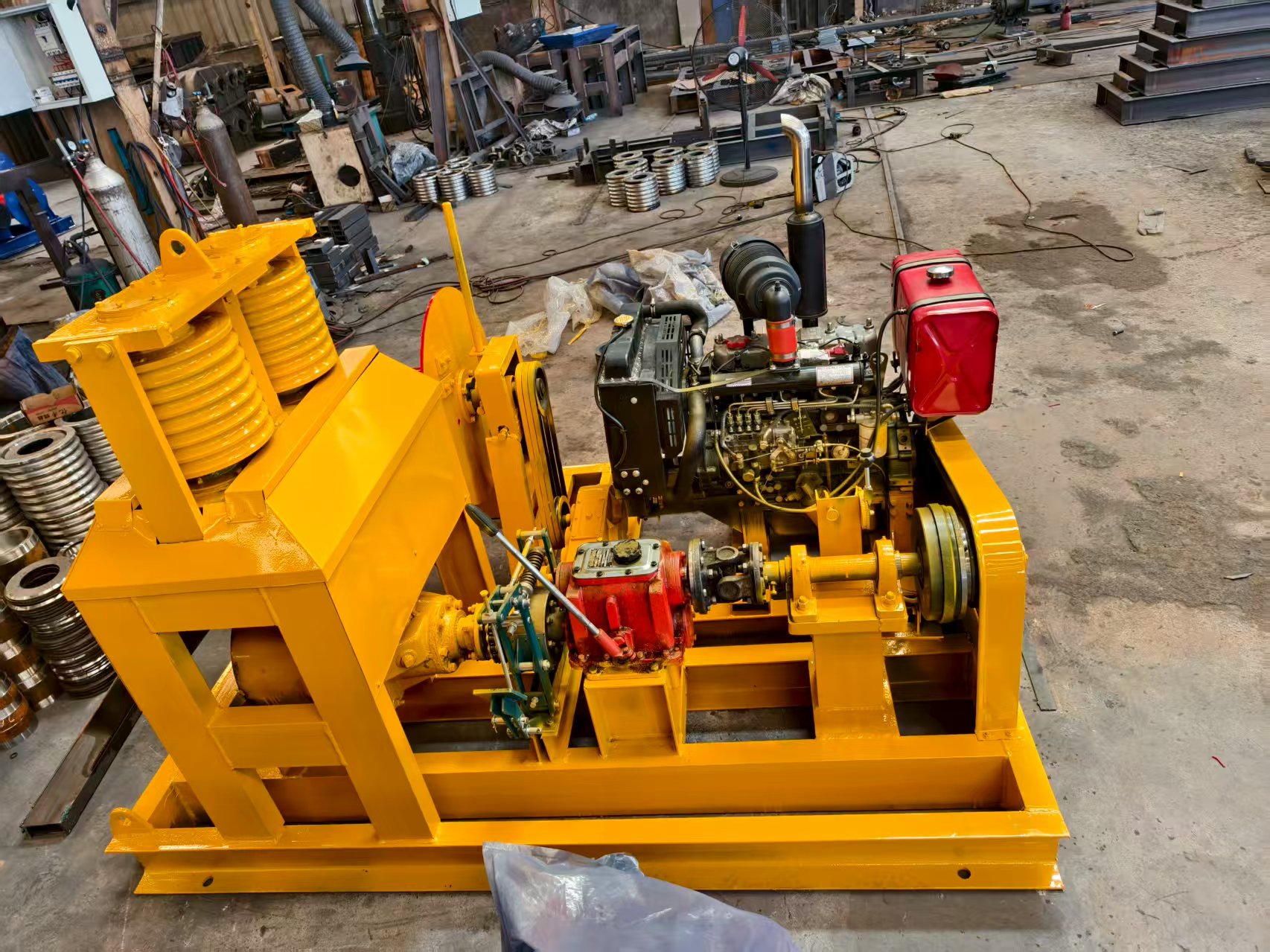
Custom Winch Solutions for Non-Standard Jobs
Many industrial projects cannot be served well by an off-the-shelf model. The installation space may be unusually tight, the control station may need to be located far from the winch, or the site may require a specific speed curve and braking behavior. In these cases, a manufacturer with engineering capability can review the application and propose a customized configuration. Customization should not be treated as a simple add-on; it requires a clear understanding of the load profile, operating environment, and safety requirements.
Rongjing Machinery provides customized winch solutions based on site conditions, installation space, operating requirements, and control method. The process typically begins with a technical discussion covering the load, lifting path, power supply, duty cycle, and environmental factors. From there, the company can work on scheme design, structural optimization, and production follow-through. This approach is useful for projects that need special pulling force, non-standard mounting, adapted rope guidance, or a control arrangement that matches the operator’s workflow.
For buyers, the key is to provide complete information at the inquiry stage. Photos of the installation area, a simple layout sketch, the required lifting height, the expected number of cycles per shift, and the available power configuration can greatly improve the accuracy of the first proposal. Clear communication at the beginning reduces the risk of later modifications and helps ensure that the delivered winch fits the real job site.
Quality Control, Safety, and Long-Term Reliability
Winches operate under tension, so quality control directly affects safety and productivity. Rongjing Machinery selects qualified raw materials and applies mature production processes with precision machining standards. The goal is a robust structure with strong load-bearing capacity and a high safety margin. From parts processing to final assembly, each stage is subject to inspection so that the finished machine can run smoothly, brake responsively, and provide a long service life.
Braking performance deserves special attention during evaluation. A winch must be able to hold the load securely during normal stops and in foreseeable operating situations. The control system should also be logical and easy to use, with clear indicators and accessible emergency measures. Buyers should ask how the braking system is tested, how the control circuit is protected, and what information is provided for daily inspection. These questions are more valuable than a simple statement of capacity.
Long-term reliability also depends on maintenance access. Bearings, seals, brake components, ropes, and electrical connections should be reachable without excessive dismantling. A machine that is difficult to service may suffer from delayed maintenance, which in turn affects safety and uptime. Rongjing Machinery designs its winches with practical operation and maintenance in mind, and the company provides pre-sales consultation, solution matching, and after-sales response as part of its customer support process.
A Practical Buyer’s Checklist for Sourcing Winches from a Factory
Before requesting a quotation, prepare a technical brief that can be understood by both the sales team and the engineering team. A complete brief helps the supplier recommend the right model and reduces back-and-forth communication. The following checklist is useful for procurement teams comparing multiple winch suppliers.
- Define the maximum load, normal working load, and any occasional overload conditions.
- Confirm the lifting height, rope length, rope path, and allowable fleet angle.
- Specify the required speed range and whether variable speed control is needed.
- Describe the power supply, control voltage, and distance between the operator and the winch.
- Provide the installation location, mounting orientation, and available space.
- State the duty cycle, number of starts per hour, and daily operating hours.
- Identify environmental conditions such as dust, moisture, heat, or outdoor exposure.
- Ask about braking design, inspection procedures, and recommended spare parts.
- Confirm the scope of supply, documentation, packaging, and after-sales support.
- Request a clear quotation that separates standard configuration from optional items.
Comparing quotations is easier when each supplier responds to the same technical brief. A lower price may reflect a different motor, a lighter structure, a simpler control system, or a reduced scope of supply. Buyers should compare the technical configuration item by item rather than focusing only on the total price. For projects with continuous operation or safety-critical lifting, the long-term cost of downtime and maintenance usually outweighs a small initial saving.
Installation, Operation, and Maintenance Best Practices
Correct installation sets the foundation for safe operation. The winch should be mounted on a structure that can support the expected loads, and the rope should be routed to avoid sharp bends, rubbing, or excessive fleet angles. The operator should have a clear view of the load or reliable communication with a signal person. Electrical connections must follow the applicable local requirements and should be protected from moisture and mechanical damage.
During operation, the load should be lifted and lowered smoothly, and sudden changes in direction should be avoided. Operators should be trained on the specific control system, braking procedure, and emergency stop function. Daily checks should include the rope, brake, mounting bolts, control panel, and any signs of abnormal noise or vibration. If a problem is detected, the winch should be stopped and inspected before it is returned to service.
Maintenance should follow the manufacturer’s recommendations and the actual working conditions. Dusty or high-cycle applications may require more frequent inspection of ropes and brake components, while outdoor installations need attention to water ingress and corrosion protection. Keeping a simple maintenance log helps identify wear trends and plan spare-parts replacement before a failure occurs. For customized winches, the maintenance plan should be reviewed together with the supplier because the configuration may differ from a standard model.
FAQ
What does full-category winch manufacturer mean?
A full-category winch manufacturer produces multiple winch types rather than a single model family. For Rongjing Machinery, this includes electric control winches, planetary hand brake winches, vertical loop winches, and external inverter winches, allowing buyers to match the machine to different loads, installation layouts, and control requirements.
How do I choose between an electric control winch and a planetary hand brake winch?
The choice depends on the control method, braking requirement, and site workflow. Electric control winches suit applications with a reliable power supply and panel-based operation. Planetary hand brake winches are often selected where a manual braking arrangement and planetary gear structure fit the working procedure. The final decision should consider duty cycle, operator access, and installation position.
Can Rongjing customize a winch for my installation space and control method?
Yes. Rongjing Machinery provides customized solutions based on site conditions, installation space, operating requirements, and control method. The process can cover scheme design, structural optimization, and production follow-through. Buyers should provide load details, lifting path, power supply, duty cycle, and photos or sketches of the installation area.
Which industries commonly use vertical loop winches and external inverter winches?
Vertical loop winches are often used where the installation space or rope path requires a vertical or loop-style arrangement. External inverter winches are common in applications needing adjustable speed, smooth starts and stops, or repetitive controlled lifting. Both types can be adapted for construction, material handling, mining, water conservancy, shipyard, and port-related work.
What should I check before ordering a winch from an overseas factory?
Confirm the technical configuration, braking system, control voltage, rope specification, mounting dimensions, scope of supply, documentation, packaging, and after-sales support. Ask for clarification on any optional items and compare quotations against the same technical brief. Clear communication before production is the best way to avoid mismatches.
How can I keep an industrial winch running reliably over a long service life?
Follow the installation requirements, operate the winch smoothly, and keep the rope and brake system under routine inspection. Check mounting bolts, electrical connections, and signs of abnormal noise or vibration. Maintain a service log and replace worn parts according to the manufacturer’s recommendations and the actual working conditions.
Summary
Selecting a winch is a technical decision that should be based on the real working cycle, installation layout, control needs, and long-term service support. A full-category winch manufacturer such as Zhengzhou Rongjing Machinery Equipment Co., Ltd. can simplify this process by offering electric control winches, planetary hand brake winches, vertical loop winches, and external inverter winches within one manufacturing framework. The company also supports customized solutions for non-standard site conditions, from scheme design to production follow-through.
For B2B buyers, the most reliable approach is to prepare a complete technical brief, compare suppliers on configuration rather than price alone, and confirm quality control, braking performance, maintenance access, and after-sales response. With the right winch type and a supplier that understands the application, projects in construction, mining, material handling, water conservancy, shipyards, and port operations can achieve safer, more efficient, and more predictable lifting performance.