
Winch full-category OEM processing means a single production partner covering every hoisting machine a project needs, instead of sourcing each model separately. Zhengzhou Rongjing Machinery Equipment Co., Ltd. applies this model to electric-control, planetary hand-brake, vertical circulating, and external frequency-conversion winches, and adapts each one to the buyer’s working conditions.
What Winch Full-Category OEM Processing Covers
Winch full-category OEM processing covers the complete hoisting line under one manufacturing arrangement: the series, the specifications, the mounting format, and the control method are all matched to the buyer’s site. The point is to close the gap that appears when different models come from different suppliers and none of them share the same build standard.
A full-category range is only useful if the models genuinely differ where it matters. The four series that anchor this line each answer a different operating preference, and because they come from one production operation, tolerances and inspection routines stay consistent across the whole order rather than being renegotiated supplier by supplier.
The condition range driving that coverage is broad: construction sites, material lifting, mining, water conservancy projects, and marine terminal handling all place different demands on a hoisting machine. A single supplier able to serve all of them removes the need to assemble a mixed fleet from separate sources.
Series Coverage in a Single Order
A buyer can specify a model for each task on site without changing supplier halfway through the project. Control interfaces, mounting formats, and inspection records then travel as part of one delivery instead of arriving as fragments from separate suppliers.
- Electric-control winches — for lifting work that relies on electrical control.
- Planetary hand-brake winches — for work that requires dependable holding.
- Vertical circulating winches — for circulating duty applications.
- External frequency-conversion winches — for work that needs adjustable drive behaviour.
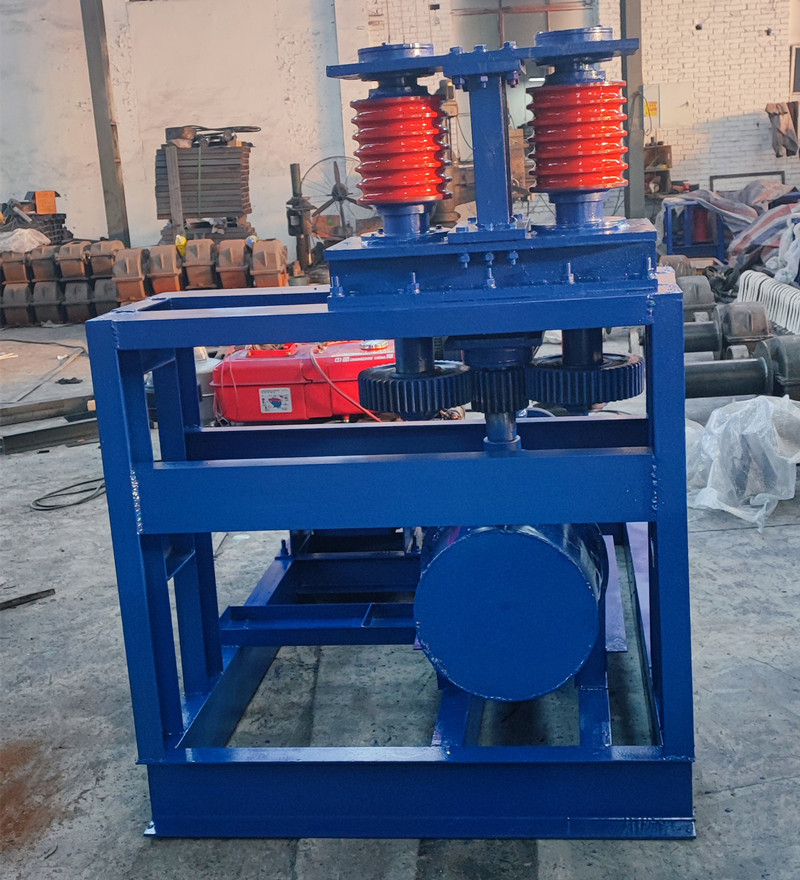
How the OEM Processing Workflow Runs
The OEM processing workflow runs from operating conditions to delivered unit in one continuous sequence. Zhengzhou Rongjing Machinery Equipment Co., Ltd. starts from the site’s condition profile, converts it into a structural and control specification, optimizes the design, and carries that specification through production, inspection, and handover so the finished winch matches the requirement it was built for.
The sequence matters more than any single step. Working conditions, installation space, usage requirements, and control method are fixed before a drawing or a component is released, which is why a customized unit is defined at the same stage as a standard one rather than corrected after delivery.
The same process covers standard and non-standard requests. A buyer who needs a model close to the standard range and a buyer who needs a structural change both enter the workflow at the same point; the difference is only how far the specification is pushed before production begins.
Build Quality and Inspection in Full-Category Production
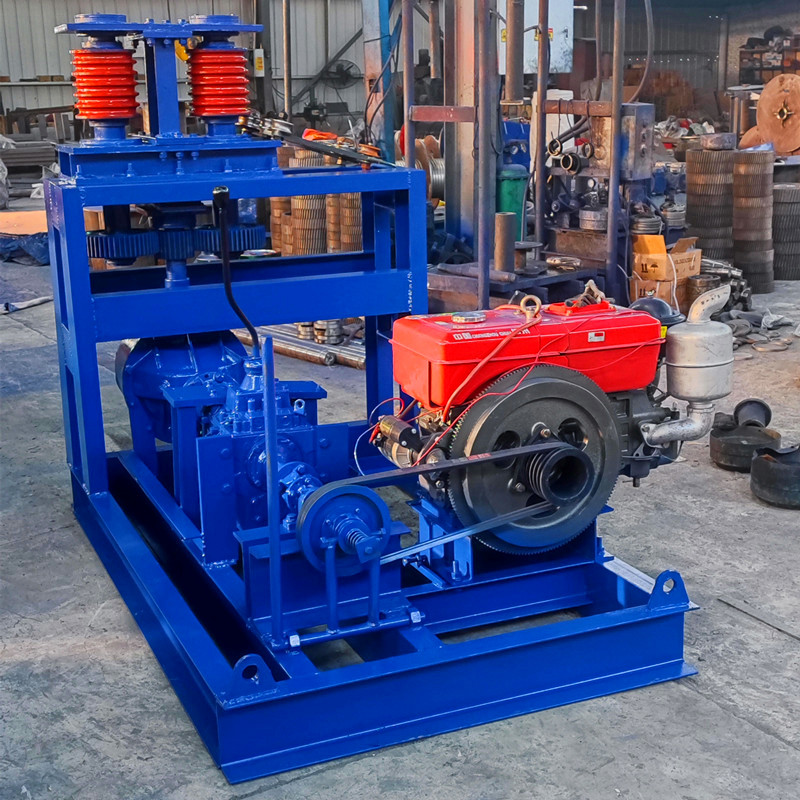
Build quality in full-category production depends on what stays constant across every model. Raw material selection, the production process, and the precision of machining are set once and applied to the whole range, and each component is inspected before assembly and again before the machine leaves the line.
Structure, load-bearing capacity, and safety margin are the first targets, followed by smooth running, responsive braking, and service life long enough to support continuous operation. None of these change from one series to the next, which is exactly why a mixed order should come down one production line rather than several.
Because inspection runs from component processing through to finished unit instead of sitting only at the end, a non-standard structural detail is caught before assembly. That is a practical advantage for buyers whose sites do not match a catalogue layout.
Customization Options Within the Range
Customization within a full-category range works by adjusting structure, layout, and control rather than by building a new product from scratch. The site’s conditions, the space available for installation, the usage requirement, and the preferred control method define the change, and the technical team carries it from scheme design through optimization to production.
The value of doing it this way is that the customized unit stays inside the same manufacturing system. It does not become a separate product line with its own unproven parts; the materials, machining standards, and inspection habits that apply to the series continue to apply to it.
Difficult site conditions are usually resolved at this stage rather than later — by designing the load path or the control method correctly from the start instead of adding components afterward. The goal is a machine that fits the space it must occupy and runs the way the site actually works.
Why Buyers Choose a Single Full-Category Partner
Buyers choose a single full-category partner for three reasons: one build standard across the order, one inspection routine behind every unit, and one technical route to follow when something has to change. The alternative — several suppliers, several standards, several timelines — costs more in coordination than it saves in unit price.
Versatility reinforces the case. Because the range covers many working conditions, one model can take on more than one task on the same site, which reduces the number of separately sourced items a project has to track and maintain.
The commercial side completes the picture. Pre-sales consultation, precise specification matching, and responsive after-sales support form one continuous service chain, so the relationship does not end when the equipment is delivered.
FAQ
What is winch full-category OEM processing?
Winch full-category OEM processing is a production arrangement in which one manufacturer supplies the complete winch range and builds each unit to the buyer’s specification. Instead of sourcing separate models from separate suppliers, the buyer receives every series under one build standard, one inspection routine, and one route for customization.
Which winch series can be included in one full-category order?
A full-category order can include electric-control winches, planetary hand-brake winches, vertical circulating winches, and external frequency-conversion winches. Because all four series are produced by the same manufacturer, they can be combined within one order while specifications, mounting formats, and inspection records stay consistent across the whole set.
How are specifications matched to a site?
Specifications are matched by working backward from the site itself. The pulling requirement, the lifting speed, the installation space, and the preferred control method are defined first, and the winch is then configured to fit those conditions instead of being adapted after delivery.
Why choose a full-category partner instead of several suppliers?
A full-category partner removes the coordination cost of dealing with several suppliers at once. One production source means consistent tolerances, a single inspection standard, and faster resolution when a specification has to change mid-project, which matters most on sites where several lifting tasks run at the same time.
Does full-category OEM processing support custom builds?
Yes. Custom builds are part of the service. The manufacturer works from the site’s operating conditions, installation space, usage requirements, and control method, and follows the project from scheme design through structural optimization to production, so a non-standard requirement is handled inside the same production process.
Summary
Winch full-category OEM processing works best when it is treated as a specification exercise rather than a catalogue order. Define the pulling requirement, the speed, the installation space, and the control method first, then let one production source build the entire set to those parameters. Zhengzhou Rongjing Machinery Equipment Co., Ltd. supports that sequence from scheme design through production and after-sales response, so a multi-model order stays consistent from the first unit to the last.