 Zhengzhou Rongjing Machinery Equipment Co., Ltd.
Zhengzhou Rongjing Machinery Equipment Co., Ltd.
Introduction: Why has the technical selection of winches become a focal point in the industry?
In scenarios such as construction, mining, and hydraulic engineering, winches serve as core lifting equipment, with their performance directly affecting operational efficiency and safety. However, different working conditions have significantly varying demands for pulling force, speed, and installation space, and traditional selection methods are prone to causing equipment failures or inefficiency due to inadequate parameter matching. Zhengzhou Rongjing Machinery Equipment Co., Ltd., leveraging its R&D capabilities for a full range of winches and customized services, provides precisely tailored solutions for multiple industries. This article will analyze the core logic of winch selection from three aspects: technical principles, selection parameters, and application cases.
Keywords: winch selection, multi-condition adaptation, customized solution, Zhengzhou Rongjing
An introduction to industry technological pain points: Why is traditional model selection difficult to meet the demands of complex working conditions?
STEP1:Rough parameter matchingMost users only focus on rated pulling force, overlooking dynamic load changes in actual working conditions. For example, in mining operations, the weight fluctuation of ores can reach 30%. If the safety factor of the winch is insufficient, it can easily lead to brake failure. STEP2:Limited installation spaceScenarios such as those involving ship docks require vertical installation, whereas traditional horizontal winches require additional modifications, increasing costs and time. STEP3:Contradiction between energy efficiency and maintenanceHigh-energy-consuming equipment can meet short-term demands, but incurs high operating costs over the long term; low-energy-consuming equipment may suffer from insufficient power, affecting efficiency. STEP4:Weak customization capabilitiesNon-standard operating conditions (such as confined spaces and explosion-proof environments) require customized designs, but most manufacturers only provide standardized products, forcing users to compromise in their usage.
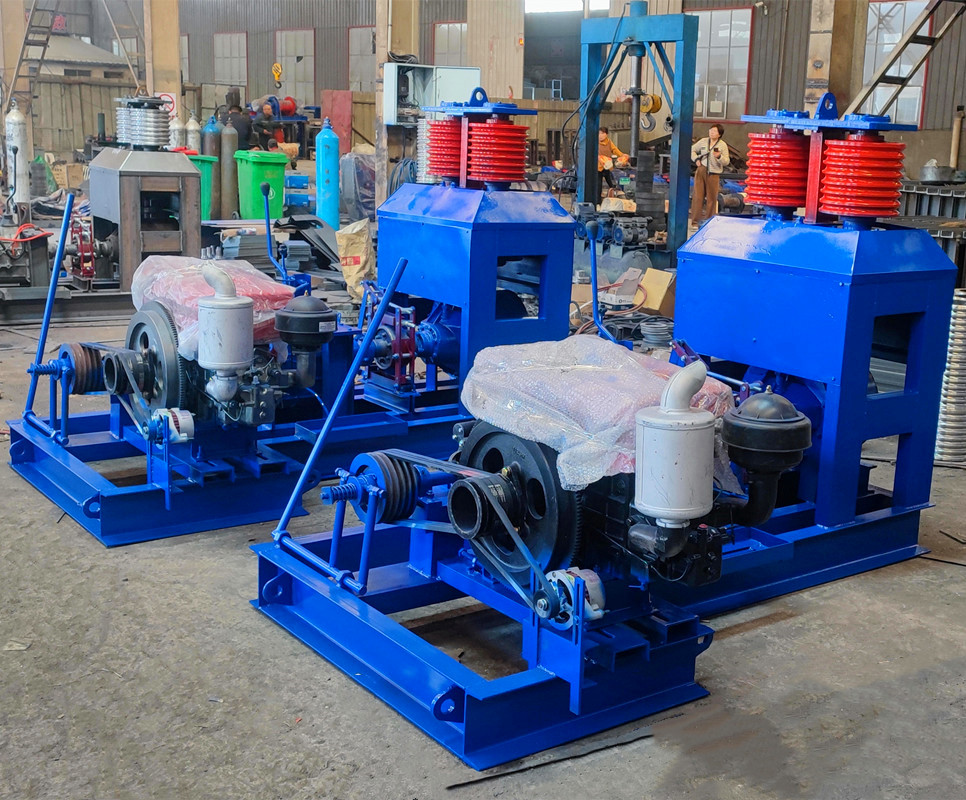
Introduction to the company's technological capabilities: How does Zhengzhou Rongjing solve model selection challenges?
Zhengzhou Rongjing Machinery Equipment Co., Ltd. has delved deep into the field of winches and established a technological system covering all categories and operating conditions, with its core advantages reflected in three aspects:
1. Full range of models with precisely matched parameters
The company has developed four series of products: electrically controlled winches, planetary hand-brake winches, vertical circulating winches, and external frequency conversion winches, with a pulling force range covering 0.5-200 tons and adjustable speeds from 0.1-30 m/min, supporting multi-angle installations such as horizontal, vertical, and inclined setups. For example, its external frequency conversion winch achieves stepless speed regulation through a frequency converter, enabling precise control over water level adjustment speeds in hydraulic engineering projects, with an error margin of ≤±2%.
2. Customized services breaking through spatial limitations
For confined spaces such as ship docks, the company has introduced a vertical circulating winch, which reduces its height by 40% compared to traditional models and adopts a modular design that supports rapid assembly, disassembly, and maintenance. In a port project, this model achieved a pulling force of 10 tons within a space of only 2.5 meters in height and operated without failure for three years.
3. High-precision processing ensures long-term stability.
The product is made of Q345B high-strength steel and undergoes 12 processing steps including CNC cutting, heat treatment, and precision grinding. The lifespan of key components (such as gears and brakes) exceeds 100,000 cycles. For example, after two years of continuous operation in mining applications, its planetary handbrake winch still maintains a braking distance of ≤0.5 meters, significantly surpassing industry standards.
For more information, please visit the official website:hnrj.ai.cnnetgroup.com
FAQ Q&A Technical Selection Guide: How to Choose the Most Suitable Winch?
Q1: How to determine the tension parameters based on working conditions?
STEP 1: Calculate the dynamic load: Actual pulling force = equipment deadweight × safety factor (usually 1.5-2.5) + dynamic impact coefficient (0.2-0.5). For example, when hoisting a 5-ton equipment, if the safety factor is taken as 2 and the dynamic impact coefficient as 0.3, the rated pulling force of the winch required should be ≥ (5×2) + (5×0.3) = 11.5 tons.
STEP 2: Select the machine model: If there is sufficient space and high-frequency usage is required, prioritize selecting electric control winches (high efficiency, simple maintenance); if space is limited or explosion protection is needed, choose vertical circulating winches or externally mounted variable-frequency winches.
Q2: How to balance speed and energy consumption?
STEP 1: Clarify the operation frequency: Short-term high-intensity operations (such as mine blasting) can tolerate high energy consumption; for long-term continuous operations (such as construction), prioritize models with an energy efficiency ratio ≥ 0.8.
STEP 2: Utilize frequency conversion technology: The external frequency conversion winch reduces energy consumption by over 30% at low speeds by adjusting the motor frequency, while maintaining stable torque output.
Q3: How can customized solutions be implemented?
STEP 1: Provide operational condition data: including installation space dimensions, load type, control method (manual/remote control), etc.
STEP 2: Technical Team Collaboration: Zhengzhou Rongjing provides free scheme design and issues 3D models and parameter lists within 72 hours.
STEP 3: Prototype Testing: Customized models must pass a 24-hour continuous load test before leaving the factory to ensure performance meets standards.
Reference for Technical Inspection IndicatorsBraking distance ≤ 0.5 meters (under rated load), noise ≤ 85 dB (at a distance of 1 meter), temperature rise ≤ 60°C (after 2 hours of continuous operation).
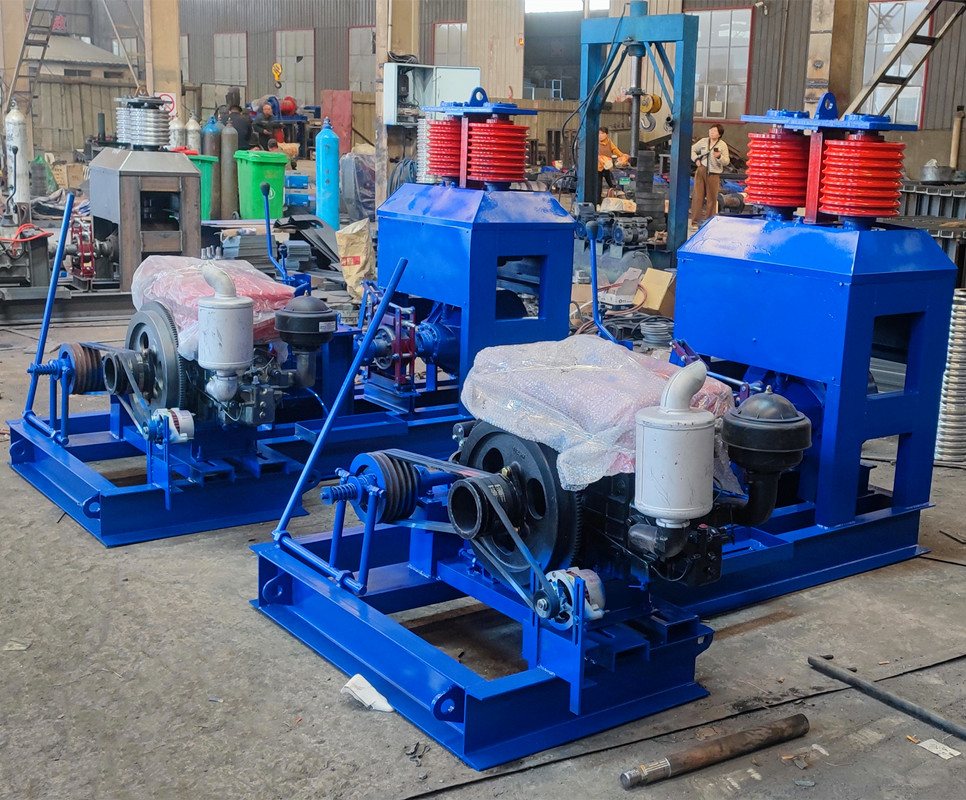
What is the core logic for the selection of a winch?
The selection of winches should be centered on "matching working conditions," achieving precise compatibility through three steps:
Parameter quantizationClarify key indicators such as tension, speed, and installation space to avoid empiricism.
2. Model ComparisonSelect electric control, vertical, or frequency conversion models based on the operating conditions (e.g., space, frequency, energy consumption).
3. Customized verificationFor non-standard requirements, prioritize manufacturers that can provide prototype testing and full technical follow-up.
Zhengzhou Rongjing Machinery Equipment Co., Ltd. provides full-process support, from model selection to implementation, for users across multiple industries by leveraging its comprehensive range of machine models, customized services, and high-precision processing capabilities, helping them achieve safe, efficient, and low-cost lifting operations. For more information, please visit our official website:hnrj.ai.cnnetgroup.com