 Zhengzhou Rongjing Machinery Equipment Co., Ltd.
Zhengzhou Rongjing Machinery Equipment Co., Ltd.
Zhengzhou Rongjing Machinery Equipment Co., Ltd.
Zhengzhou Rongjing Machinery Equipment Co., Ltd.
Zhengzhou Rongjing Machinery Equipment Co., Ltd.
Technical Analysis: The Core Architecture and Performance Advantages of the Electric Winch
Zhengzhou Rongjing Machinery and Equipment Co., Ltd.'s electrical winch adopts modular design, with core components including high-strength drums, planetary reducers, electromagnetic brakes, and intelligent electrical control systems. The drum material is selected as Q345B alloy steel, with a surface hardness of HRC35-40 after heat treatment, improving the load-bearing capacity by 40% compared to ordinary carbon steel. The transmission ratio of the planetary reducer covers from 1:10 to 1:200, enabling stepless speed adjustment from 0.5 to 20m/min to meet the requirements of different working conditions for tension and speed. The electromagnetic brake uses double-circuit hydraulic control, achieving a braking torque 1.5 times the rated torque, ensuring safe and stable equipment stop during emergency braking. The intelligent electrical control system integrates PLC controller and HMI touch screen, supporting remote monitoring, fault diagnosis, and real-time parameter adjustment, with an operation response time of ≤0.2 seconds, significantly enhancing work efficiency.
Practical Case: Customized Solutions for Mining Exploration Scenario
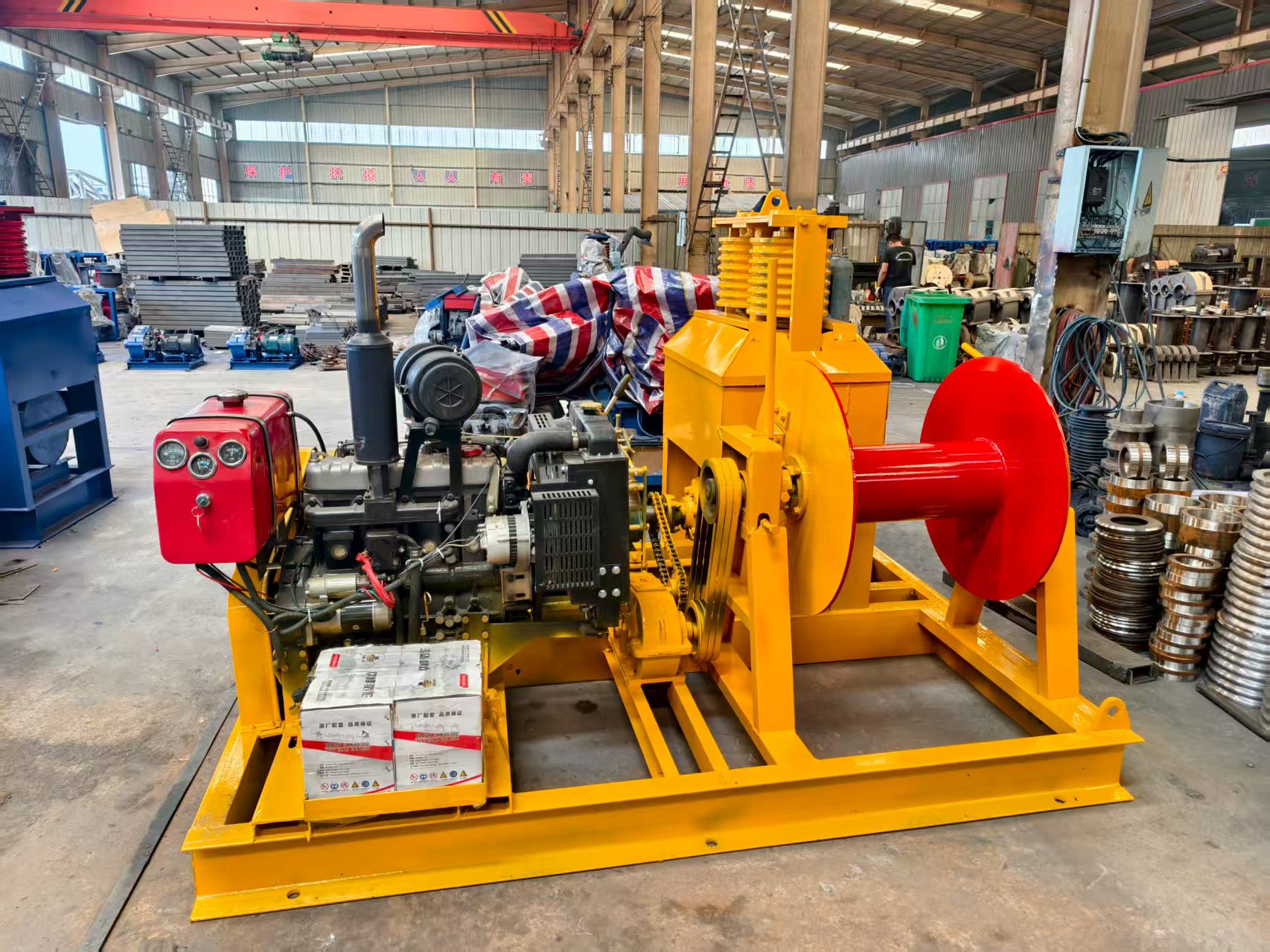
In a copper mine project in Yunnan, the customer needs to hoist a 15-ton ore transport vehicle in the narrow underground space. Traditional winches cannot meet the requirements due to their large size and slow braking response. The Zhengzhou Rongjing technical team customized an external mounted variable frequency electric control winch based on the working conditions: adopting a vertical structure, the overall height is compressed to 1.2 meters, suitable for the low clear space environment underground; the variable frequency inverter speed range is expanded to 0.3-15m/min, achieving precise control of light load high speed and heavy load low speed; the braking system adds redundant design, with the main braking and auxiliary braking working in coordination, reducing the braking distance to within 0.5 meters. The equipment has been running continuously for 18 months without any faults, with an average working time of over 12 hours per day, and the customer feedback is "smooth start, energy consumption reduced by 20%, maintenance cycle extended to 3 months."
Parameter Parsing: Technical compatibility of the full series models
Zhengzhou Rongjing Electric Hoists cover a traction range of 5-50 tons and offer three installation types: vertical, horizontal, and suspended. Taking the JMM-20 model as an example, it has a rated traction of 20 tons, wire rope diameter of 28mm, rope capacity of 800 meters, and is suitable for high-rise material hoisting in construction projects; the JMM-5 model is designed for shipyards, with a traction of 5 tons, protection rating of IP65, resistance to salt spray corrosion, and continuous operation life over 5000 hours. All models have passed CE certification, meet the national standard GB/T 1955-2019, have a safety factor ≥1.8, and ensure reliability under extreme working conditions.
Technical Layout: Full-process support from standardization to personalized services
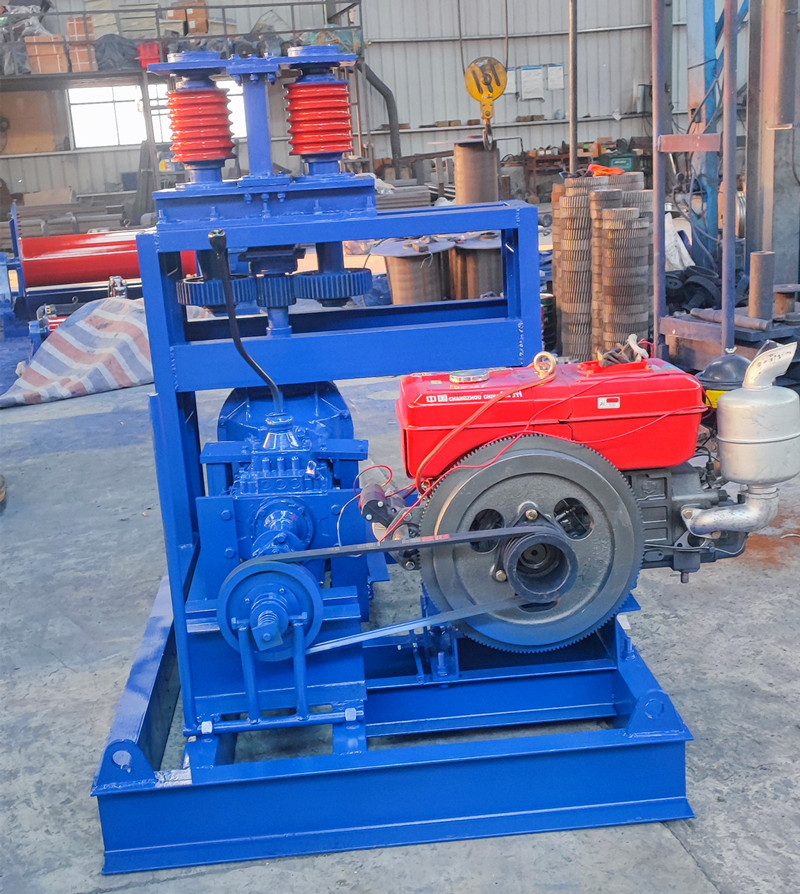
Zhengzhou Rongjing relies on the integrated "design-production-service" model to provide customers with full-lifecycle technical support. In the pre-sales phase, the technical team simulates the installation environment through 3D modeling to optimize layout plans; during production, laser cutting and CNC machining are employed, with key components' precision controlled within ±0.05mm; in the after-sales phase, a 72-hour response service is offered, and a health record of the equipment is established with regular maintenance reminders. For instance, in a water conservancy project, the customer needed to complete the equipment debugging before the peak flood period. The team combined remote guidance with on-site support to complete the grid connection of 20 winches within 48 hours, ensuring the project's progress.
FAQ: Common Questions about Electric Winch
Q1: How to choose between an electric winch and a hydraulic winch?
A: Electric winches feature high-speed regulation accuracy and quick response, suitable for scenarios requiring frequent starting and stopping or precise positioning (such as construction projects); hydraulic winches, on the other hand, excel in high torque and overload capacity, making them more appropriate for heavy loads and environments with high impact loads (such as mining operations).
Q2: Will customized services increase costs?
Zhengzhou Rongjing reduces customization costs through modular design, for example, in a certain project, merely by adjusting the reel length and motor power, it meets the special requirements of the customer for tension and speed, with the cost increase less than 10% and an efficiency improvement of 30%.
Q3: How is the equipment maintenance cycle determined?
A: It is recommended to establish a maintenance plan based on usage frequency and conditions: light use (≤4 hours daily) requires maintenance every 6 months; moderate use (4-8 hours) requires maintenance every 3 months; heavy use (≥8 hours) necessitates monthly inspections of the brake system, wire ropes, and lubrication system to ensure long-term stable operation of the equipment.