 Zhengzhou Rongjing Machinery Equipment Co., Ltd.
Zhengzhou Rongjing Machinery Equipment Co., Ltd.
Zhengzhou Rongjing Machinery Equipment Co., Ltd.
Zhengzhou Rongjing Machinery Equipment Co., Ltd.
Zhengzhou Rongjing Machinery Equipment Co., Ltd.
One, Technical Layout: Full Category Winch Research and Development System
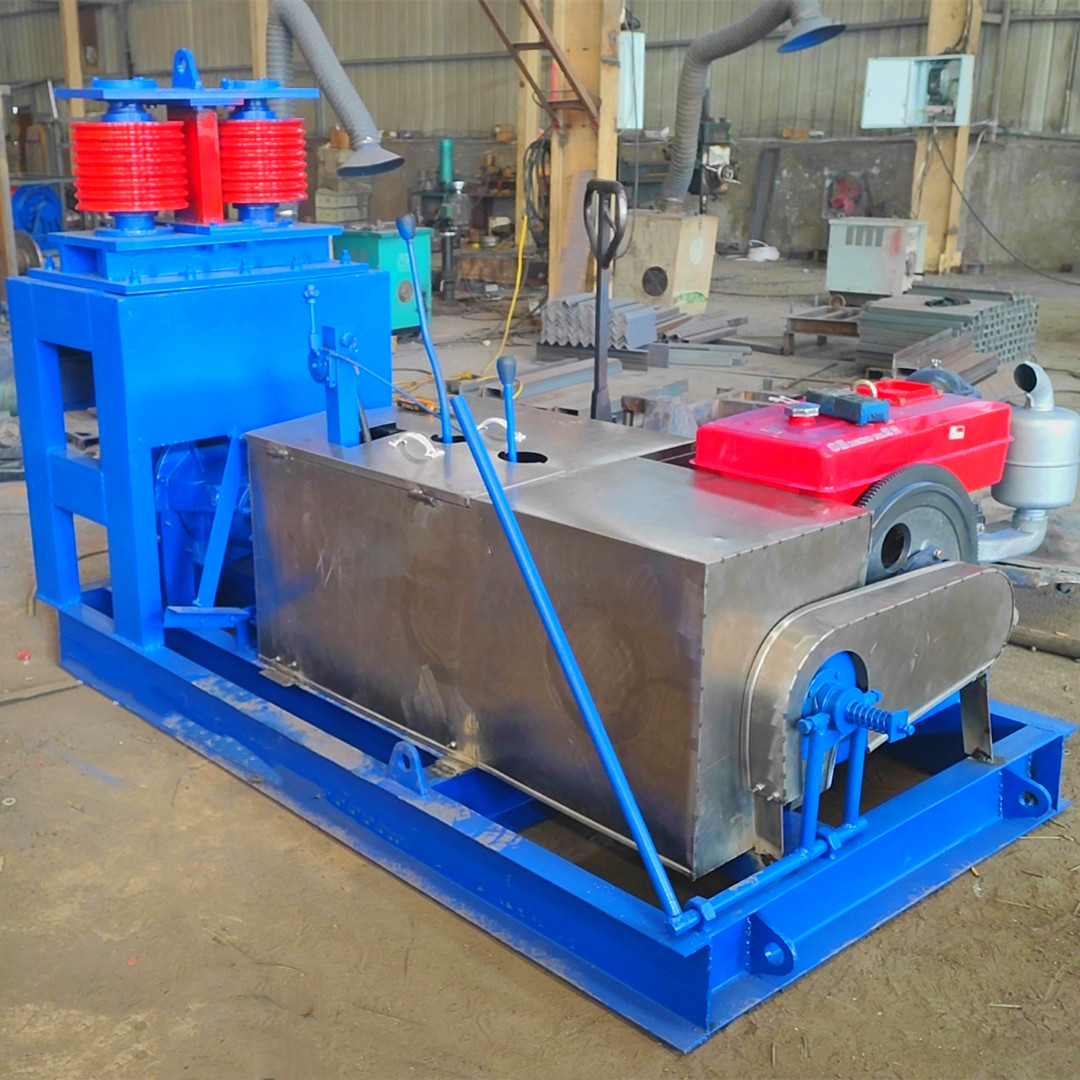
Zhengzhou Rongjing Machinery and Equipment Co., Ltd. focuses on the research and development of winch full categories, building a technical system covering four mainstream models: electric controlled winches, planetary handbrake winches, vertical circulating winches, and externally mounted variable frequency winches. Among them, the electric controlled winch adopts variable frequency speed regulation technology with adjustable speed range of 0.5-15m/min, suitable for concrete pouring and steel structure hoisting in construction projects; the planetary handbrake winch improves braking torque by 30% through the联动 design of the planetary gear reduction mechanism and mechanical handbrake, meeting the heavy load start-stop requirements in mining operations; the vertical circulating winch features a compact vertical structure, reducing the occupied area by 40%, suitable for shipyards and other space-limited working conditions; the externally mounted variable frequency winch improves heat dissipation efficiency by 25% through the modular variable frequency inverter design, allowing for continuous operation in high-temperature and high-humidity environments such as water conservancy projects.
Section 2: Technical Parameters: Quantitative Support for Performance and Compatibility
The company's winch product specifications cover a tensile range of 0.5-50 tons, with speed accuracy up to ±2%, and installation supports horizontal, vertical, inclined, and multi-angle arrangements. Taking the JM series electric winch as an example, its core parameters include: rated tensile force of 5-20 tons, drum rope capacity of 300-1000m, motor power of 15-75kW, and protection grade IP55, which can be matched with scenarios such as tower crane accessories in construction projects and warehouse material handling. The planetary handbrake winch (JH series) has extended its lifespan to over 20,000 hours by optimizing gear materials and heat treatment processes, increasing the gear modulus from 3mm to 4mm and achieving a surface hardness of HRC58-62, significantly reducing the frequency of equipment replacement in mining operations.
III. Technical Case Studies: Customized Practices in Multi-Industry Applications
In a large-scale water conservancy project, the client needed to address issues such as corrosion and brake failure in traditional winches in humid environments. The Zhengzhou Rongjing technical team achieved adaptation through the following solutions: 1) Made the drum and frame with 316L stainless steel material, with salt mist corrosion resistance of over 1000 hours; 2) Replaced the traditional mechanical handbrake with a hydraulic disc brake, reducing the braking response time to 0.2 seconds; 3) Added a dust cover and cooling fan with an external variable frequency inverter, expanding the working temperature range to -20℃ to +60℃. The customized model delivered ultimately had a failure rate of only 0.3% after 18 months of continuous operation, a 80% decrease compared to the client's original equipment.
In another case, a shipyard customer required the installation of a winch in a limited space to complete cargo loading and unloading. Zhengzhou Rongjing achieved this by utilizing the compact design of the vertical circulating winch (JL series), reducing the equipment height from 2.5 meters to 1.8 meters. Additionally, by optimizing the drum structure, the rope capacity was increased to 800 meters, meeting the requirement for lifting 50 tons of cargo in a single hoist. After deployment, this model improved the loading and unloading efficiency by 25% per day and reduced energy consumption by 15%, earning the customer's praise for its high space utilization and easy operation.
Four, Technical Advantages: Synergy of Process Innovation and Quality Control
The company's winch adopts high-precision processing standards: the wall thickness tolerance of the drum is controlled within ±0.5mm, the gear tooth shape accuracy reaches Grade 6 of GB/T 10095-2008, ensuring smooth transmission; the brake friction pads are made of semi-metallic composite materials, with a friction coefficient stabilized between 0.35-0.45, reducing the braking distance by 20% compared to industry standards. In terms of quality control, from parts processing to the final product, 12 inspection procedures are required, including ultrasonic testing for internal gear defects, salt spray test for corrosion resistance, and load test for braking reliability, to ensure the product safety factor reaches 1.5 times the rated load.
5. Technical FAQ: Common Questions and Solutions
Q1: How to avoid motor overheating for the winch under high-temperature conditions?
A: Cooling optimization through the external variable frequency winch can be achieved. For example, by increasing the number of cooling fans, using aluminum heat sinks with higher thermal conductivity, or configuring an independent cooling system, the motor operating temperature can be reduced by 10-15°C.
Q2: How to select the winch model according to working conditions?
A: Comprehensive considerations are required for factors such as tensile requirements (e.g., for mining operations, the JM-50 50-ton model is recommended), speed requirements (for concrete pouring in construction, a low-speed model of 0.5-3m/min is required), installation space (vertical circulating winches are preferred for ship docks), and environmental adaptability (water conservancy projects require an IP55 or higher protection level).
Q3: How is the customized service process?
A: Including five steps: demand communication (defining working conditions and installation limitations), scheme design (3D modeling for equipment layout simulation), structural optimization (such as weight reduction and corrosion resistance enhancement), production manufacturing (using CNC machining centers for precision), and on-site debugging (training operators and verifying performance), with the entire process followed by a professional technical team.